
Romulea longifolia
Romulea longifolia
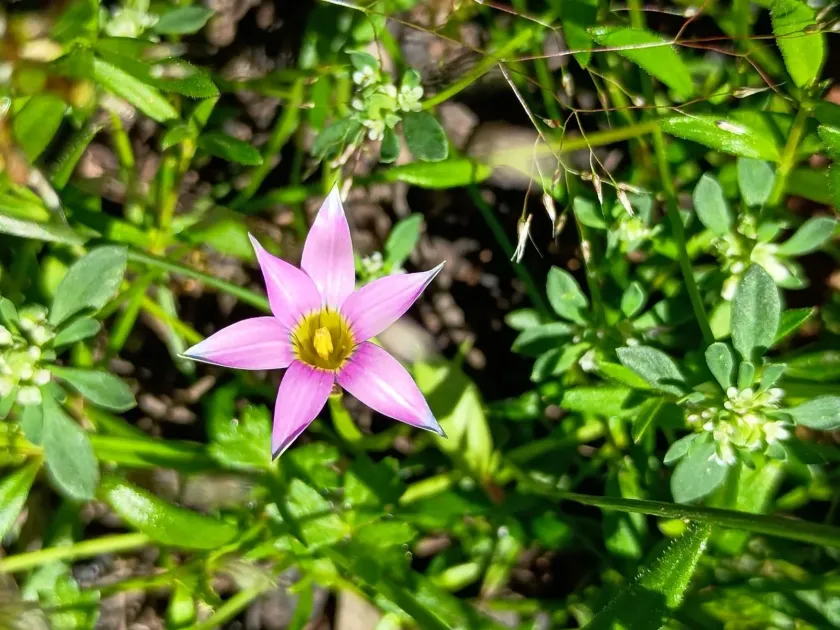
Description
Sowing dates
Romulea longifolia is a bulbous ephemeral that requires planting during its dormancy phase, typically occurring in late summer or early autumn.
The bulbs should be planted at a depth of 5 to 8 centimeters in well-prepared, friable soil to ensure proper stabilization and development of the root system.
In regions with harsh winters, planting must be completed before the soil freezes, ensuring the bulbs are established enough to survive the cold season.
For container-grown specimens, scheduling is more flexible but must strictly follow the cycle of foliage dieback and the required dry resting period.
Proper spacing between bulbs is essential to prevent overcrowding, which can lead to increased humidity and subsequent development of fungal pathogens.
Growing requirements
This perennial herb belongs to the Iridaceae family and thrives best in environments that mimic its natural Mediterranean or arid-type habitat conditions.
Full solar exposure is a fundamental requirement; the plants need significant light intensity to initiate blooming and maintain vigorous growth during the spring.
The ideal soil substrate is sandy or loamy with excellent drainage properties to prevent any possibility of water accumulation around the bulbous base.
Climate requirements include a distinct wet growing season followed by a dry period, which is crucial for the plant to successfully complete its life cycle.
Supplementary fertilization is recommended only during the onset of active growth, utilizing low-nitrogen, phosphorus-rich formulations to encourage flowering.
Main diseases and pests
The primary threats to Romulea longifolia are soil-borne fungal infections, particularly those affecting the basal plate, such as Fusarium oxysporum.
Excessive soil moisture is the leading cause of plant decline, creating an environment favorable for rot-inducing bacteria and opportunistic fungal pathogens.
Pests such as thrips and bulb mites can severely compromise the plant's health by piercing tissues and facilitating the entry of secondary diseases.
Integrated pest management, including regular inspection and sanitation of the planting area, is vital for maintaining the health of the bulb collection.
If rot is detected, infected bulbs should be immediately removed and destroyed to prevent the contamination of surrounding healthy plants in the patch.