
Romulea
Romulea hybrids
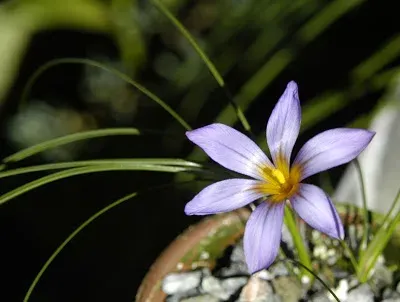
Description
Sowing dates
Romulea is a genus of perennial cormous plants belonging to the Iridaceae family. Native to Mediterranean Europe, Africa, and parts of Asia, these small but visually striking flowers are popular in rock gardens and containers due to their vibrant, crocus-like appearance.
Planting typically takes place in autumn, allowing the corms to establish a root system before the onset of winter dormancy. The bulbs should be placed in well-prepared beds at a depth of approximately 5 to 8 centimeters to protect them from superficial temperature fluctuations.
Growing requirements
This crop demands full sun exposure to thrive and open its blooms fully. In environments with insufficient light, the plants fail to flower and often succumb to foliage-related physiological stress. A sunny, south-facing slope is ideal for optimal growth.
Soil requirements are quite specific; the plants prefer gritty, well-draining, and slightly nutrient-poor soil. Any heavy clay or silty soil must be amended with sharp sand or grit to ensure that water drains away from the corms immediately after irrigation or rain.
Watering management is crucial. During the active growth and flowering season, moderate moisture is needed, but once the foliage begins to wither after blooming, the plants enter a dormancy period where they require almost completely dry conditions to survive the summer.
Main diseases and pests
The most significant threat to Romulea is fungal disease caused by moisture retention in the soil. Phytophthora and various rot-inducing fungi thrive in damp conditions, often killing the corm entirely before the growing season commences.
Pests are generally less of an issue, but bulb-boring insects and mites can become a problem if the health of the plant is already compromised. Regular inspection of stored corms and ensuring dry storage conditions are effective preventive measures against these infestations.