
Romulea eximia
Romulea eximia
Description
Growing requirements
Romulea eximia is a perennial bulbous plant belonging to the Iridaceae family. Native to the Western Cape region of South Africa, it is a botanical gem adapted to Mediterranean-style climates characterized by wet winters and dry, warm summers.
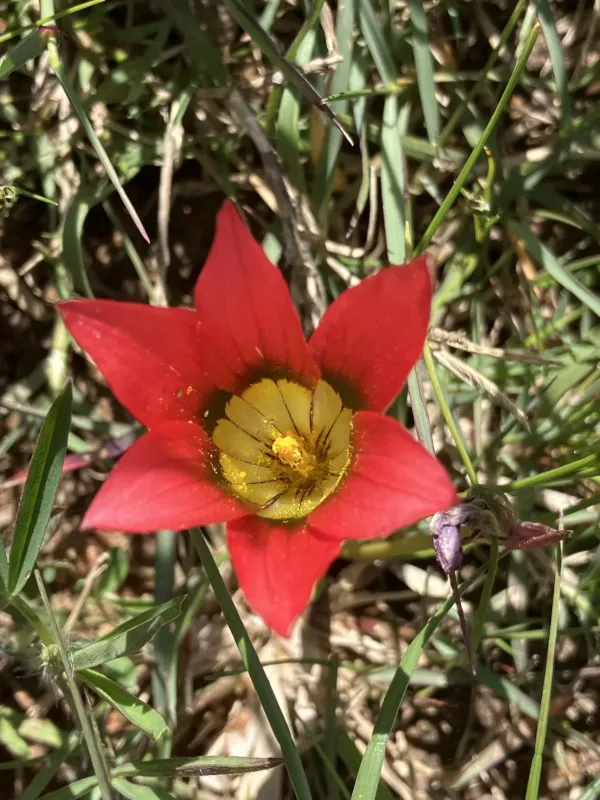
The plant features small, cup-shaped flowers that bloom in vibrant shades of pink and purple. It remains dormant during the hot summer months, requiring complete dryness during this phase to mimic its natural habitat conditions.
Agronomic requirements emphasize the necessity of well-drained, gritty, and sandy soils. The plant is highly sensitive to waterlogging, which often leads to bulb rot, especially during its dormant period when the plant cannot process excess moisture.
Exposure to full sunlight is essential for the plant to thrive. It requires intense light to trigger the opening of its flowers; without sufficient solar energy, the plant's metabolic processes slow down significantly, reducing flowering potential.
In terms of хозяйственное use, Romulea eximia is primarily grown as an ornamental specimen in rock gardens, alpine houses, and private collections. Its compact size makes it an excellent choice for containers where environmental control is more manageable.
Main diseases and pests
The main threats to Romulea eximia are fungal diseases, primarily triggered by excessive moisture during the vegetative stage. Root rot and gray mold (Botrytis) are common issues if ventilation is poor or humidity is too high.
Insect pests such as bulb mites and aphids pose significant risks to the health of the plant. These pests can weaken the bulb's reserves, leading to poor growth and stunted flower development in the following season.
Effective management involves ensuring proper air circulation around the plants and avoiding overhead watering. Keeping the foliage dry helps to significantly reduce the risk of secondary fungal infections.
For pest control, integrated management practices are recommended, including the use of neem oil or targeted systemic insecticides when pests are detected. Prevention remains the most efficient strategy in plant health management.
Proper storage of bulbs during the dormant phase is critical. They should be kept in a cool, dry, and dark environment to prevent premature sprouting and to keep them protected from moisture-loving pests and pathogens.