
Romulea columnae
Romulea columnae
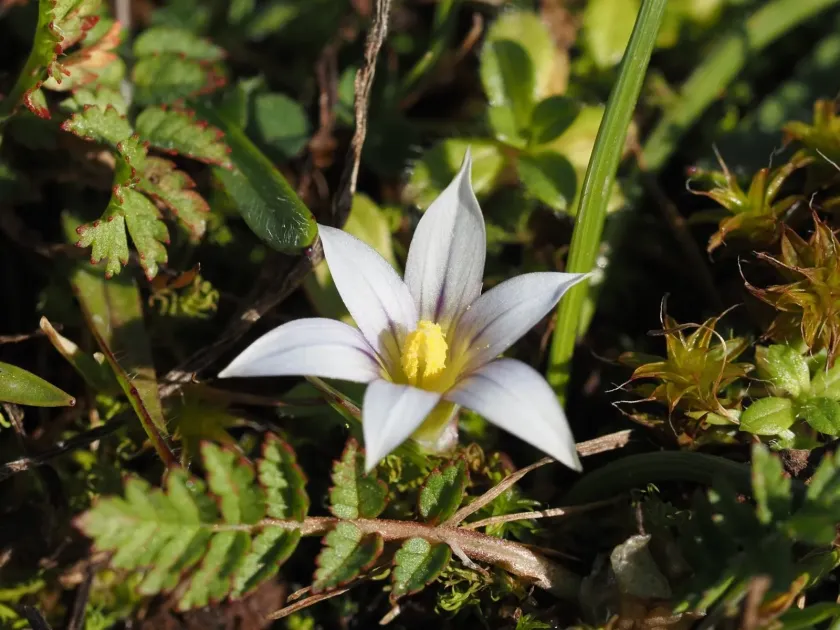
Description
Sowing dates
Romulea columnae is a spring-flowering ephemeral, meaning bulbs should be planted in the open ground during the autumn season. The optimal time is September or October, when soil temperatures drop to 10–12 degrees Celsius.
The planting depth for the bulbs ranges from 5 to 8 centimeters, depending on the soil structure. It is essential to provide good drainage at the bottom of the planting hole to prevent water stagnation and bulb rot during the winter.
When grown in containers or greenhouses, timing may vary, but the plant strictly requires a distinct winter dormancy period at lower temperatures. Without a proper cooling phase, flowering will be poor or non-existent.
Propagation via seeds requires sowing immediately after maturation in the summer or overwintering in cold frames. Seedlings develop slowly and usually reach the flowering stage by the third or fourth year.
The planting pattern for ornamental purposes usually involves dense clusters, with about 20–30 bulbs per square meter, creating a beautiful carpet effect during the peak flowering season.
Growing requirements
Romulea columnae belongs to the Iridaceae family and is a low-growing perennial bulbous plant. It is adapted to the Mediterranean climate, preferring sunny, sheltered spots away from strong winds.
The crop is highly light-demanding; even slight shade can lead to leggy growth and significantly reduced aesthetic value. The plant thrives best in open areas with southern exposure.
Soil requirements are strict: the substrate must be light, sandy, or rocky, with a neutral to slightly acidic pH. Heavy clay soils are often fatal to this species due to the increased risk of fungal infections.
During the active vegetation period in early spring, the plant requires moderate moisture. However, after flowering ends and the foliage dies back, the soil should remain dry to simulate the natural summer droughts of its native range.
The plant has moderate winter hardiness and requires protection in colder climates, such as covering with pine branches or mulching with dry peat. In severe winter regions, indoor or greenhouse cultivation is highly recommended.
Main diseases and pests
The primary threats to Romulea columnae are fungal bulb diseases caused by excess soil moisture. Fusarium wilt and various forms of grey mold are the most common issues arising from poor agricultural practice.
Pests, including onion flies and thrips, can damage both the underground parts and the young leaves. Regular inspection during early spring growth helps to identify and address outbreaks early.
To prevent rot, it is highly recommended to treat bulbs with fungicide solutions before planting and periodically apply biological control agents to the soil.
Rodent damage is a critical factor when cultivating in open soil, so it is a common practice to use specialized mesh baskets for bulb planting.
When grown in greenhouse conditions, maintaining proper air humidity is crucial to prevent the development of powdery mildew on the foliage.