
Romulea clusiana
Romulea clusiana
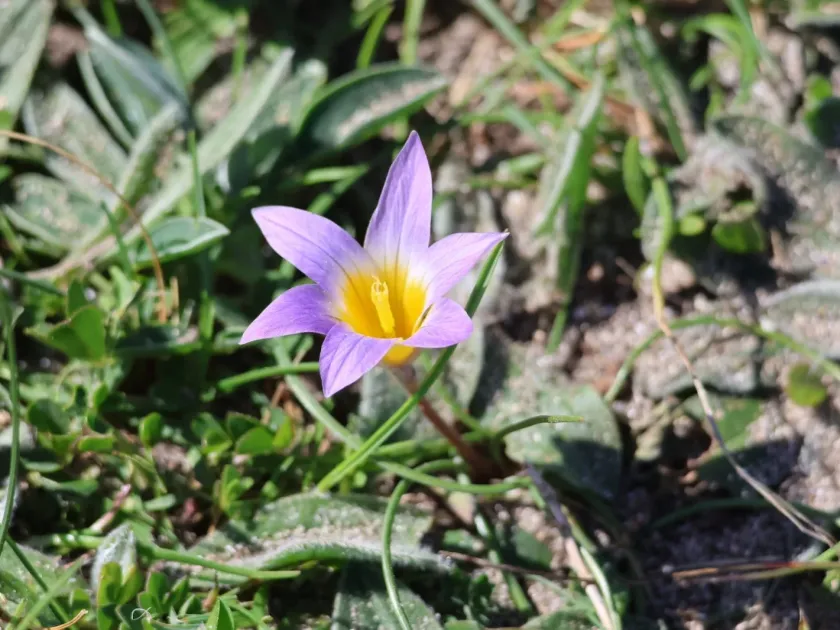
Description
Growing requirements
Romulea clusiana is an attractive perennial bulbous plant belonging to the Iridaceae family. Originating from the sandy regions of the Iberian Peninsula, it is well-adapted to habitats with specific seasonal cycles of moisture and warmth.
This crop thrives in open, sunny positions and requires excellent drainage to prevent bulb rot. It is typically found in climates characterized by mild, wet winters and hot, dry summers, which are critical for the plant's natural life cycle.
The soil requirements focus on high permeability; therefore, sandy or gritty substrates are highly recommended. In cultivation, it is essential to avoid overly nutrient-rich soils, as the plant prefers leaner environments similar to its natural wild habitat.
Agronomic management involves providing a dry rest period after the foliage dies back, which allows the bulbs to store energy for the next growing season. During the active growing period, occasional watering is sufficient, provided the soil remains loose and aerated.
The primary use of Romulea clusiana is in specialized ornamental horticulture, particularly for rock gardens and Mediterranean-style landscapes. Its small stature and vibrant blooms make it a prized specimen for collectors of alpine-type bulbs.
Main diseases and pests
Fungal pathogens are the primary concern for this species, specifically those affecting the roots and bulbs during dormant or overly wet periods. Proper drainage and site selection are the most effective preventative measures against rot and blight.
Common pests include bulb mites, which can cause significant damage to the plant's underground structures, and aphids, which may infest emerging flower buds. Monitoring and maintaining a clean, ventilated growing environment are crucial for long-term health.