
Romulea bulbocodium
Romulea bulbocodium
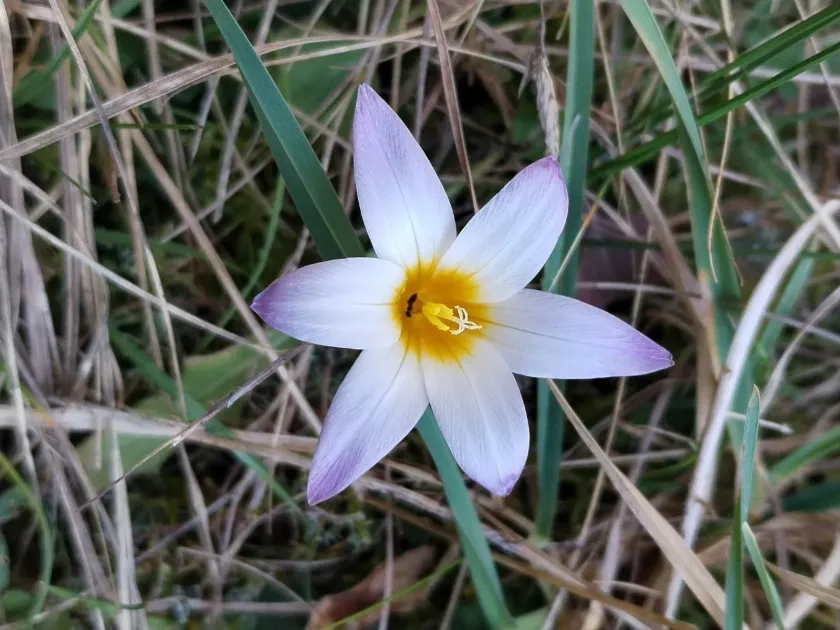
Description
Sowing dates
Romulea bulbocodium is a perennial bulbous ephemeral belonging to the Iridaceae family. In its native habitat, the growing season typically begins in late winter or early spring when conditions become favorable.
Planting in open ground should be carried out during the autumn months. It is essential to ensure the soil has cooled down but is not yet frozen, as this allows the bulbs to establish before the winter dormancy.
For container gardening, planting can be done earlier to facilitate early forcing. The depth of planting should typically be about 3 to 5 centimeters, depending on the individual bulb size and soil texture.
Propagation is primarily performed through offset bulbs (daughter bulbs) produced by the mother plant. While seeds are viable, this method requires several years of growth before the first bloom.
Proper spacing between bulbs is crucial for optimal growth. Crowded plantings often result in poor air circulation and increase the likelihood of moisture-related issues within the root zone.
Growing requirements
Romulea bulbocodium requires full sun exposure for healthy foliage development and consistent flowering. Shaded locations result in weak plants and a significant reduction in the bloom count.
The ideal growing medium consists of well-draining, light, sandy, or gritty soil. Waterlogging is the primary cause of bulb failure and must be avoided at all costs during all stages of development.
Moderate moisture is necessary during the active growth period, but once the flowering season concludes, the soil should be allowed to dry out completely. This dry rest period is essential for bulb maturation.
The species prefers neutral to slightly acidic soil conditions. Avoid using fresh manure or nitrogen-rich fertilizers, as these can promote excessive foliage growth and increase susceptibility to fungal rot.
In regions with harsh winters, a light layer of mulch, such as dry leaves or pine needles, may be used to protect the bulbs from extreme frost, although the plant is generally hardy in Mediterranean climates.
Main diseases and pests
Fungal diseases are the most common threats to Romulea bulbocodium, especially those affecting the basal plate of the bulb. High soil humidity is often the catalyst for these infections.
Soil-borne pests such as wireworms and larvae of beetles can cause significant damage to the underground parts of the plant. Pre-planting soil treatment is recommended to prevent these infestations.
Grey mold or other foliar blights may occur in poor air circulation conditions. These can be managed by applying appropriate systemic fungicides and ensuring the area remains clean and dry.
Preventative bulb treatment with suitable fungicides before planting is a standard agricultural practice to minimize the risk of soil-borne pathogens establishing in the garden.
Crop rotation and avoiding sites where other bulbous species have recently suffered from rot are effective strategies to maintain the health of the planting site over multiple years.
Harvesting
Harvesting the bulbs should only occur after the foliage has naturally yellowed and died back. This indicates that the energy has successfully moved from the leaves back into the storage organ.
Once lifted, the bulbs must be cleaned and dried in a shaded, well-ventilated area. Storing them in a cool, dry place ensures they remain dormant until the next planting season.
In landscape settings, bulbs do not need to be harvested every year. They can be left in the ground for several years until the clusters become too dense, which is the ideal time for lifting and dividing.
For storage, bulbs should be kept in breathable containers. Humidity control is vital, as any residual moisture on the bulbs can lead to rot during the long storage period.
Seed collection requires timing, as the capsules open rapidly upon maturation. Harvesting the seeds just before the capsules split open ensures maximum yield and prevents the loss of seed material.