
Rolandra fruticosa
Rolandra fruticosa
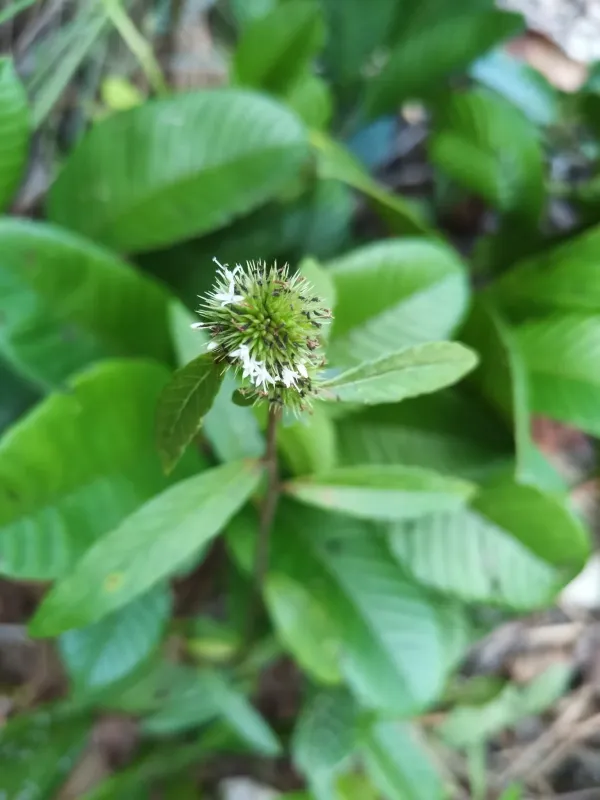
Description
Sowing dates
Rolandra fruticosa is a perennial shrub that requires careful attention during the propagation stage. Seeds should be sown in a well-draining, nutrient-rich substrate, preferably in a warm environment to ensure optimal germination rates.
When starting from seeds, it is recommended to use seed trays filled with a mix of peat and sand. This combination provides the necessary moisture retention while ensuring adequate aeration, which is critical for the development of delicate seedlings.
The ideal time for sowing in tropical regions is at the onset of the rainy season. This allows the plants to establish a robust root system before the onset of drier conditions, ensuring higher survival rates after transplanting to the field.
Spacing is essential for the healthy development of Rolandra plants. A spacing of 45 to 50 centimeters between plants is recommended to allow for adequate air circulation, which prevents the build-up of moisture and potential fungal issues.
Initial watering should be gentle to avoid dislodging seeds or young seedlings. Once established, the plants show good resilience, but consistent moisture during the first few weeks of growth remains a critical factor for success.
Growing requirements
As a member of the Asteraceae family, Rolandra fruticosa thrives in tropical climates characterized by warm temperatures and high humidity levels. The plant is sensitive to cold and will perish if exposed to freezing temperatures.
The soil requirements for this crop include a preference for loose, loamy soils with a pH ranging from neutral to slightly acidic. Good drainage is non-negotiable, as the plant's roots are highly susceptible to rot if water persists in the root zone.
Optimal growth occurs at temperatures between 22 and 30 degrees Celsius. In areas where temperatures fluctuate, it is advisable to plant in sheltered locations that offer protection from wind and direct exposure to extreme heat.
Sunlight exposure should be managed; while the plant enjoys bright light, protection from intense afternoon sun may be beneficial in certain arid regions to prevent leaf scorch and excessive dehydration.
Regular fertilization with organic compost or a balanced NPK fertilizer supports healthy vegetative growth. Nitrogen application is particularly beneficial when managing the plant for its leaf yield, as it stimulates lush foliage development.
Yield
The primary economic output of Rolandra fruticosa consists of its leaves and stems, which are harvested for their therapeutic and pharmaceutical properties. Yields are maximized by adopting a harvesting cycle that allows for regular regeneration.
Selective pruning is the preferred harvesting method. By removing mature stems while leaving the base of the plant intact, growers can encourage the plant to produce new growth, enabling multiple harvests within a single season.
Harvesting should ideally take place just before the onset of the flowering stage to ensure the highest concentration of active biochemical compounds within the leaves. This timing is critical for maintaining the quality of the raw material.
Post-harvest processing involves drying the material in shaded, well-ventilated areas. Direct exposure to sunlight during the drying process must be avoided to prevent the degradation of the plant's sensitive chemical constituents.
Under optimal management, a single hectare can yield a substantial amount of dry biomass. The efficiency of production often depends on the integration of good soil fertility management and precise water application strategies.
Main diseases and pests
Rolandra fruticosa is generally resistant to many common agricultural pests; however, humidity-related issues are common. Fungal infections, such as powdery mildew, often occur in dense plantings where airflow is restricted.
Aphids and spider mites are the most frequent pests, especially during dry spells. These pests target the underside of the leaves, potentially reducing the plant's photosynthetic capacity if they are not managed through early detection and intervention.
Root rot is the most serious threat to the crop, usually arising from poor drainage or overwatering. Maintaining a strict irrigation schedule is the most effective way to mitigate this risk and ensure plant longevity.
Biopesticides and biological control agents are recommended to maintain the medicinal quality of the harvested crop. Avoiding synthetic pesticides ensures that the leaves remain safe for pharmaceutical use and human consumption.
Regular inspection and sanitation practices, including the removal of dead or diseased plant parts, are essential. Keeping the field free of weeds also helps to prevent the spread of soil-borne pathogens that could impact plant health.