
Rogeria adenophylla
Rogeria adenophylla
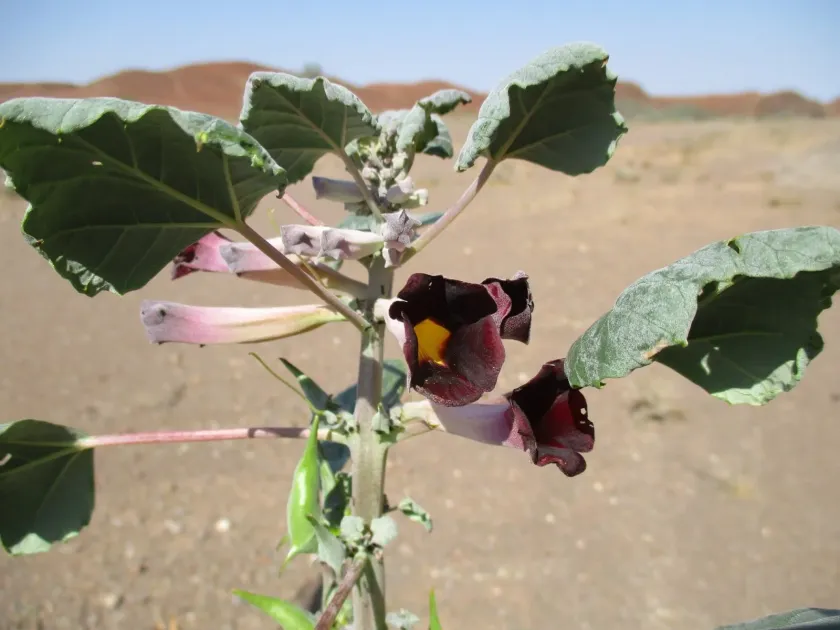
Description
Growing requirements
Rogeria adenophylla is a herbaceous plant belonging to the Pedaliaceae family. It is primarily found in arid and semi-arid regions of tropical Africa, showing remarkable adaptation to harsh environmental conditions.
The plant thrives in well-drained, sandy soils that allow for deep root penetration. It is highly drought-tolerant, making it suitable for areas where traditional water-intensive crops might fail due to lack of rainfall.
Optimal growth requires high ambient temperatures and abundant solar radiation. It is essentially a warm-season crop that maximizes its biomass production under full sun conditions during the tropical growing season.
Soil management should prioritize aeration and the prevention of water stagnation. While it can survive in nutrient-poor soils, modest organic fertilization can significantly enhance its seed yield and oil content.
The agricultural importance of this species is linked to its seeds, which are rich in fatty acids. It serves as a valuable resource for local communities, providing both food and potential industrial applications for plant oils.
Main diseases and pests
Fungal diseases are the primary threats to Rogeria adenophylla, particularly when high humidity coincides with poor soil drainage. Maintaining proper plant spacing is essential to ensure adequate airflow and reduce pathogen spread.
Various insect pests, including leaf-feeding beetles and pod-boring larvae, can jeopardize crop stands. Farmers should practice regular field scouting to identify infestations early before they reach critical economic thresholds.
Weed competition is a significant challenge during the initial establishment phase. Implementing effective weed control strategies, such as mechanical cultivation, is vital for achieving uniform crop development.
Nematode infestations can occur in fields with frequent continuous cropping. Implementing crop rotation cycles is strongly recommended to break the life cycles of soil-borne pests and maintain soil health.
Overall crop protection focuses on integrated management approaches that combine cultural practices with biological controls. Prioritizing healthy growth and vigor is the most sustainable way to resist biotic stresses.