
Roemeria rhoeadiflora
Roemeria rhoeadiflora
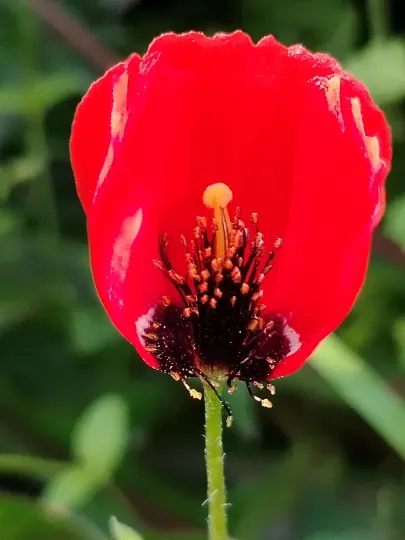
Description
Sowing dates
Roemeria rhoeadiflora is an annual herbaceous plant that typically follows a seasonal growth cycle. Sowing is best performed in late autumn, allowing the seeds to undergo natural stratification, which is critical for achieving a uniform germination rate when spring temperatures begin to rise.
If spring sowing is preferred, it must be done as soon as the soil reaches a workable condition. The seeds are very small, requiring shallow placement in the ground, usually not exceeding 0.5 centimeters, to ensure that the emerging seedlings have enough energy to reach the surface.
Proper spacing is vital for the health of this crop. Keeping rows at least 30 to 40 centimeters apart allows for adequate airflow around the plants, reducing the humidity levels that often lead to fungal infections during the sensitive stages of early development.
Soil preparation should involve creating a fine, weed-free seedbed. Incorporating well-rotted organic matter before sowing helps to improve soil structure and provides a slow-release source of nutrients that supports the plants throughout their short, rapid growth phase.
To improve establishment, seeds can be treated with growth stimulants prior to planting. This practice is particularly beneficial in regions with unpredictable spring weather, as it helps shorten the period between sowing and emergence, ensuring a more competitive start for the crop.
Growing requirements
Roemeria rhoeadiflora thrives in open, sun-drenched environments. Full sun exposure is essential for the plant to reach its full potential, as shading typically results in weak, leggy stems and poor development of the flowers, which are the main focus of this cultivation.
The crop is relatively adaptable to various soil types but performs best in well-drained, sandy-loam conditions. Waterlogging is detrimental to the plant's root system, so fields or plots with heavy clay content must be amended to ensure proper drainage.
Water requirements are moderate. While the plant exhibits good drought tolerance once established, consistent moisture is beneficial during the initial growth phases and the transition to the flowering stage. Avoiding excessive irrigation is key to preventing root-related issues.
Soil pH should ideally be neutral or slightly alkaline. In acidic soils, liming may be necessary to optimize nutrient availability. It is recommended to perform a soil analysis to determine the precise requirements for amendment before the crop is sown.
- Protection from high-speed winds.
- Minimal nitrogen fertilization to avoid excessive vegetative growth.
- Regular inter-row cultivation for aeration.
- Consistent monitoring of soil temperature.
Main diseases and pests
Root rot is the most significant threat to Roemeria rhoeadiflora, particularly in poorly drained fields. Maintaining proper soil moisture and avoiding excessive compaction are the primary cultural methods used to keep the root systems healthy and free from fungal infection.
Aphids and spider mites are the most common pests, especially in hot and dry weather. These insects can quickly colonize the undersides of leaves, and if left unchecked, they can cause stunted growth and significant damage to the overall plant vigor.
Powdery mildew may occur during periods of high humidity and poor ventilation. Keeping the planting density optimized and removing weeds that could harbor pathogens are effective ways to mitigate the risk of disease spread across the field or garden plot.
Crop rotation is an essential agronomic practice for this species. Growing it in the same spot year after year increases the risk of soil-borne diseases. A three-year rotation cycle with non-related crops is recommended to maintain soil hygiene.
Early identification of pest infestations is key to successful management. Using biological control methods or soft insecticides is often sufficient if action is taken early enough, minimizing the need for heavy chemical intervention throughout the growing season.