
Rochefortia spinosa
Rochefortia spinosa
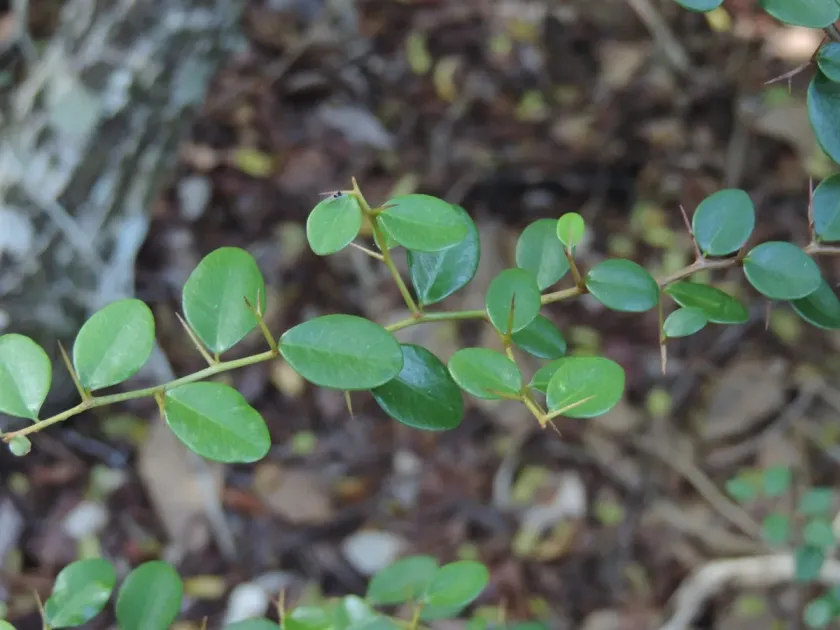
Description
Sowing dates
Rochefortia spinosa is a tropical species that typically propagates via seeds in its natural environment following fruit maturation. In cultivation, seeds often require scarification or stratification to improve germination rates under controlled greenhouse conditions.
Sowing should be conducted in a well-drained, lightweight substrate, maintaining a consistent soil temperature between 22 and 25 degrees Celsius. Early spring is the most favorable time for propagation to coincide with lengthening daylight hours.
Extreme care must be taken to avoid waterlogging the seedbed, as young seedlings are highly susceptible to damp-off diseases and fungal infections. Transplantation into individual containers is recommended once the second pair of true leaves emerges.
For vegetative propagation, semi-hardwood cuttings are utilized and kept in high-humidity propagation chambers. Rooting hormone application and bottom heating of the substrate significantly enhance success rates.
Transplanting young plants to their final location should only occur once the risk of temperature fluctuations has passed and stable warm weather conditions are established.
Growing requirements
This species belongs to the Boraginaceae family and is recognized as a thorny woody plant perfectly adapted to the specific climatic conditions of tropical and subtropical regions.
Optimal growth requires well-lit sites protected from intense, drying winds. The plant thrives in well-drained soils with a neutral to slightly alkaline pH, which prevents root stagnation.
Rochefortia spinosa exhibits notable drought tolerance due to the structural characteristics of its leaves and a well-developed root system. However, for maximum biomass production, regular moderate watering during the active growth phase is necessary.
The ideal temperature range is between 18 and 30 degrees Celsius, as the plant cannot tolerate freezing conditions. In temperate regions, it must be grown in specialized glasshouses or conservatory environments.
Soil fertility can be effectively maintained by applying organic matter or balanced fertilizers around the root zone in early spring, which promotes healthy vegetative development.
Main diseases and pests
Rochefortia spinosa is prone to typical tropical pest infestations, including scale insects and spider mites, particularly when kept in indoor environments with low atmospheric humidity.
Poor ventilation combined with excessive moisture in the soil can lead to the development of root rot and various leaf spot pathogens. Maintaining proper airflow is the primary preventive measure.
For pest management, the application of systemic insecticides or biological control agents is recommended to protect the plant's structural integrity and aesthetic value.
Neglecting standard agrotechnical practices often results in stunted growth and increased vulnerability to opportunistic secondary infections. Regular monitoring of the foliage for early signs of distress is highly advised.
Sanitary pruning, which involves the timely removal of dead or diseased branches, remains a crucial management practice to prevent the spread of pathogens and ensure long-term plant vigor.