
Rochefortia acanthophora
Rochefortia acanthophora
Description
Growing requirements
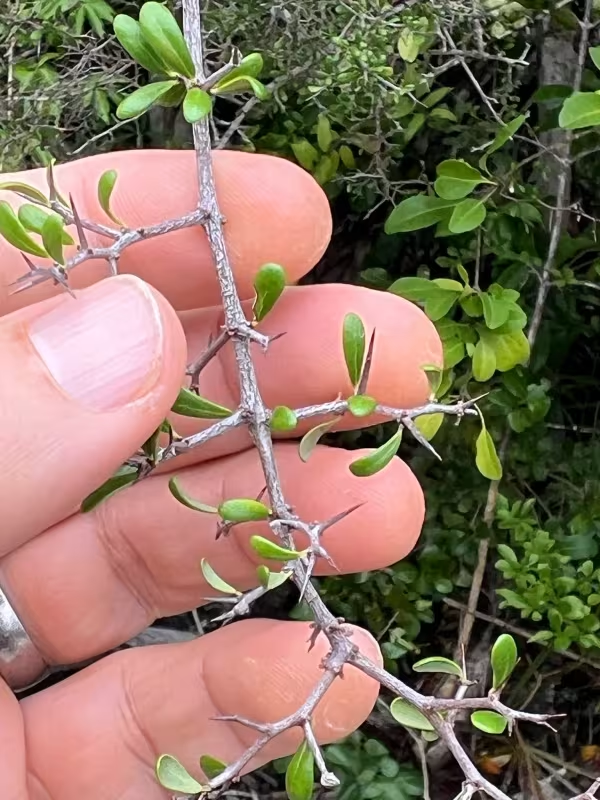
Rochefortia acanthophora is a woody shrub species belonging to the Boraginaceae family. Known for its distinct spiny branches, this plant is native to the Caribbean islands and parts of the tropical Americas where it thrives in rugged, calcareous terrains.
The cultivation of this species requires a climate that mimics its natural habitat, characterized by high temperatures and distinct dry periods. It is strictly a non-frost-tolerant plant and thrives best in locations with high exposure to direct sunlight.
Soil composition is critical for this species; it demands excellent drainage and rocky or sandy substrates. Heavy clay soils are generally unsuitable as they lead to root suffocation and encourage rot-causing pathogens to infiltrate the root system.
Botanically, the plant is noted for its high adaptation to xerophytic conditions. Its thick, rigid leaves are designed to minimize water loss, while its sharp spines serve as a highly effective defense mechanism against herbivores and mechanical threats.
Agricultural use of Rochefortia acanthophora is mainly directed towards restoration projects and biodiversity conservation in arid tropical regions. It serves as a vital component in preventing soil erosion on limestone-based landscapes.
Main diseases and pests
The most significant threat to Rochefortia acanthophora is waterlogging, which often results in severe fungal infections. Maintaining a dry, airy root zone is the primary defense strategy for any grower managing this crop.
Insect pests, particularly scale insects and spider mites, are known to target this shrub. Due to the dense arrangement of thorns, physical removal of pests is difficult, necessitating the use of specialized systemic insecticides when outbreaks occur.
Poor ventilation in greenhouse conditions can trigger the growth of various leaf molds. Ensuring adequate spacing between plants is essential to promote airflow and prevent the transmission of airborne pathogens.
Nutrient deficiencies, particularly involving micronutrients, can lead to premature leaf drop and reduced vitality. Regular testing of the growing medium is recommended to ensure the plant receives the correct balance of essential elements.
Finally, the competitive pressure from faster-growing invasive species can easily overwhelm young specimens. Intensive weeding around the base of the plant is required during the establishment phase to ensure successful growth.