
Robinia pseudoacacia Nana
Robinia nana
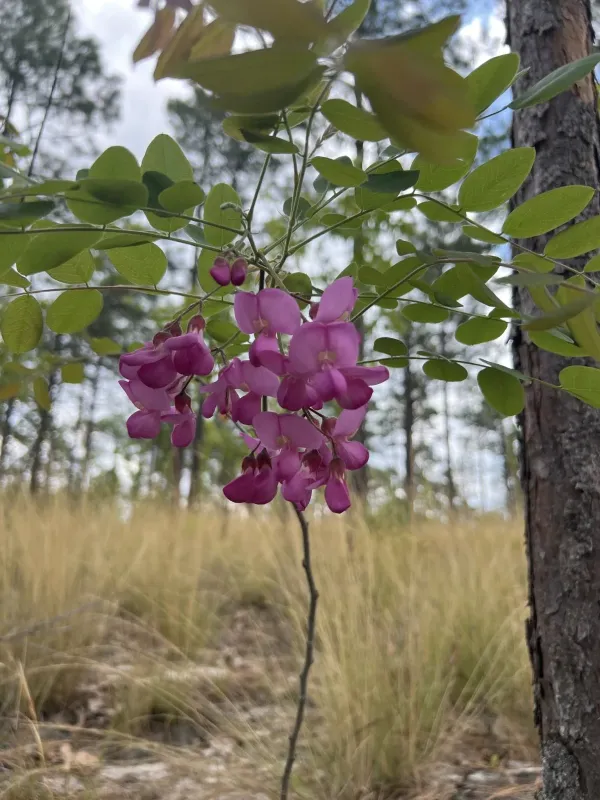
Description
Growing requirements
Robinia pseudoacacia 'Nana' is a dwarf cultivar belonging to the Fabaceae family, celebrated for its dense, naturally spherical crown and slow growth rate. This ornamental tree rarely exceeds a height of 3 to 4 meters, making it a highly desirable choice for small gardens and urban planting.
Originating from the breeding of Robinia pseudoacacia, a native of North America, this cultivar retains the hardiness of the species while offering a refined, compact habit that requires minimal manual pruning to maintain its shape.
The tree thrives in full sun, which is critical for maintaining the tight, round structure of its branches. Insufficient light exposure leads to sparse foliage and the loss of the cultivar's distinctive dwarf characteristics.
Regarding soil preferences, it is adaptable to various types but performs best in well-drained, sandy or loamy soils. It demonstrates excellent drought resistance once established, though initial watering is necessary for young specimens.
Cultivation practices involve applying a balanced fertilizer in the early spring to promote vigorous growth and pruning dead or crossing branches in late winter to ensure structural integrity and plant health.
Main diseases and pests
Powdery mildew is a common fungal threat, typically occurring in humid conditions or areas with poor airflow, causing a white dusty coating on the leaves.
Scale insects, particularly the acacia scale, are significant pests that attach to stems and branches, extracting sap and weakening the overall vigor of the tree.
Leaf miners can cause irregular brown tracks on the foliage, which, while rarely fatal, significantly detract from the aesthetic value of the ornamental crown.
Effective pest management involves the use of targeted horticultural oils for scale insects and appropriate systemic fungicides for managing fungal outbreaks.
Consistent garden hygiene, including the removal and destruction of fallen leaves and infected plant material, remains the most effective strategy for preventing disease recurrence.