
Ristantia pachysperma
Ristantia pachysperma
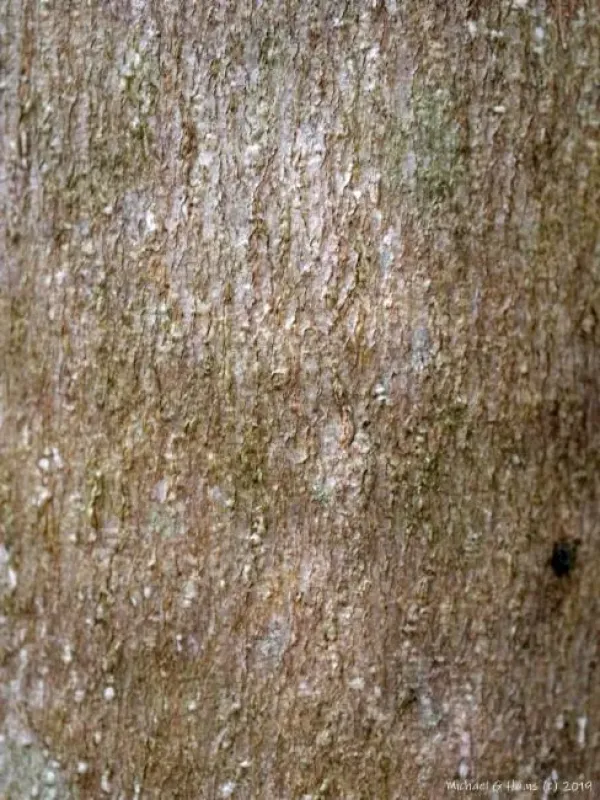
Description
Growing requirements
Ristantia pachysperma is a notable member of the Myrtaceae family, native to the tropical rainforests of Queensland, Australia. It represents a significant element of the local botanical diversity within the subtropical and tropical zones.
The cultivation of this species requires a stable, high-temperature environment throughout the year. It lacks cold tolerance, making it suitable only for regions that mimic the tropical conditions of its natural habitat.
Successful growth depends on deep, fertile, and well-drained soils. Because the species is native to humid environments, it requires consistent moisture but is highly susceptible to root rot if the soil becomes waterlogged.
Botanically, it features a sturdy growth habit and evergreen foliage adapted to intense solar exposure. The species is valued for its hardiness and ability to thrive in dense forest competition.
In terms of economic use, it is primarily targeted for sustainable forestry practices. The wood is recognized for its durability and structural integrity, making it a subject of ongoing forestry research.
Main diseases and pests
Fungal pathogens associated with damp soil conditions represent the primary threat to the health of Ristantia pachysperma plantations, particularly in areas with poor drainage.
Insect pests such as wood-boring beetles and certain termites can cause substantial damage to the trunk and root system, requiring integrated pest management strategies.
Environmental stressors related to habitat loss and changes in local rainfall patterns pose a significant threat to the long-term viability of the species in wild populations.
Regular phytosanitary assessments are crucial to identifying early symptoms of disease or pest infestation to prevent widespread damage across the site.
Sustainable land management that maintains the natural ecological balance is the most effective approach for protecting this tree species against common regional threats.