
Ricciocarpos natans
Ricciocarpos natans
Description
Growing requirements
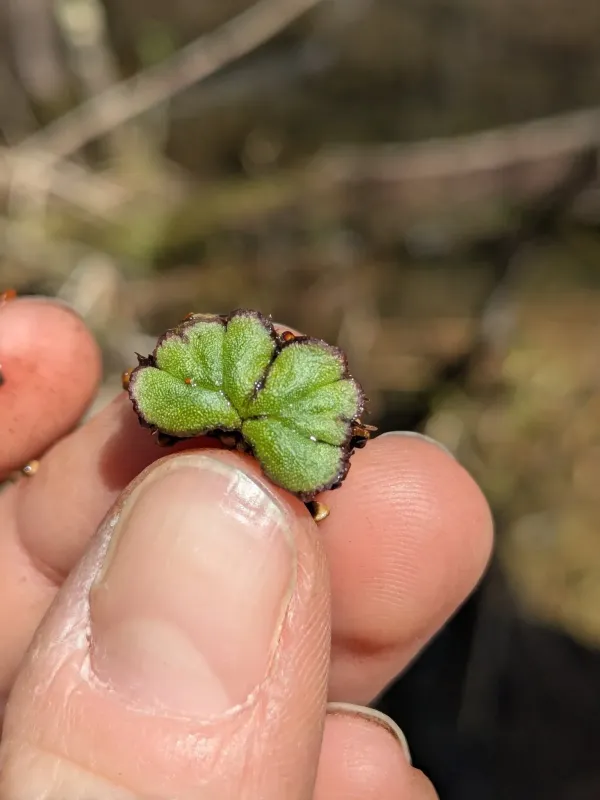
Ricciocarpos natans, commonly known as the floating liverwort, is a unique member of the Ricciaceae family. It is distinct among liverworts for its primary aquatic habit, floating freely on the surface of still or slow-moving freshwater bodies worldwide, from temperate to tropical regions.
The morphology of the plant consists of a heart-shaped thallus with distinct dichotomous branching. The ventral surface is characterized by long, ribbon-like scales that provide stability and aid in nutrient absorption directly from the water column, showcasing its highly specialized adaptation to an aquatic lifestyle.
In terms of environmental requirements, this crop thrives in nutrient-rich, stagnant water. It acts as an effective bio-accumulator, absorbing excess nitrogen and phosphorus. Optimal growth occurs under bright, indirect light, which fuels the rapid vegetative multiplication of the thallus colonies across the water surface.
Temperature management is critical for the maintenance of Ricciocarpos natans. It prefers stable conditions within the 18°C to 28°C range. Extreme temperature fluctuations, particularly frost, can be lethal, leading to the rapid decay of the thallus biomass unless the plant has entered a dormant phase through spore production.
Water quality parameters must be strictly monitored. The plant is highly sensitive to pollutants, heavy metals, and drastic changes in pH. A slightly acidic to neutral water environment is preferred, and the exclusion of toxic agricultural runoff is essential for sustaining healthy, green populations of this liverwort.
Main diseases and pests
Competition from invasive algae poses the most significant threat to Ricciocarpos natans cultures. Filamentous algae can rapidly overgrow the liverwort mats, effectively shading them out and preventing the necessary gas exchange, which often leads to the death of the suppressed colony.
Pathogenic fungi and bacteria are major risks in environments with poor circulation or decaying organic matter. Signs of infection include slimy thalli, discoloration, and a characteristic foul odor, requiring immediate isolation of the affected portions and water renewal to restore balance.
Various aquatic invertebrates, such as snails and certain larvae, can cause significant damage to the thallus tissue. Their grazing reduces the overall photosynthetic capacity of the plant and leaves the edges vulnerable to secondary infections by waterborne bacteria.
Environmental stress caused by rapid changes in water levels can be detrimental. When a pond dries up, the plant must transition to a terrestrial form; if this transition is not supported by sufficient moisture in the mud, the liverwort will desiccate and perish rapidly.
To mitigate these threats, integrated management practices are necessary, including the physical removal of encroaching algae, monitoring for pest density, and maintaining clean water circulation to prevent the accumulation of toxins that inhibit the normal physiological processes of the liverwort.