
Houghton currant
Ribes houghtonianum
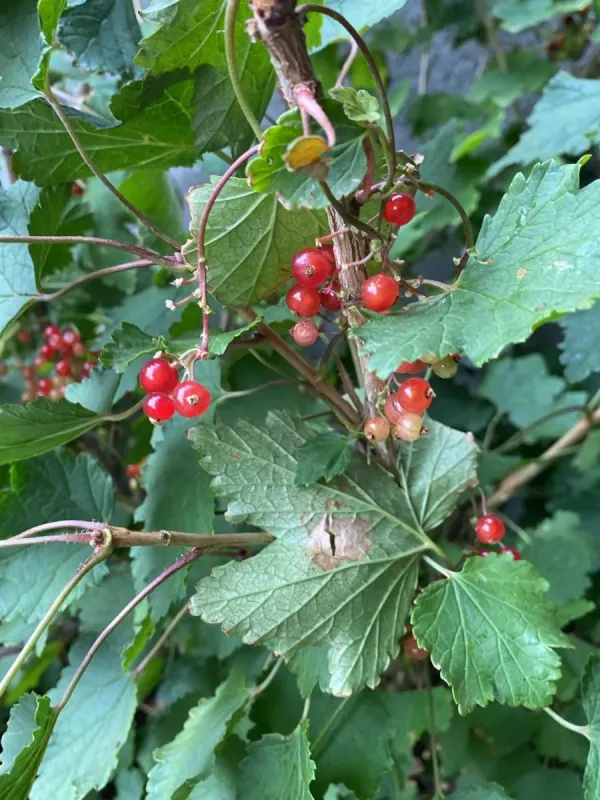
Description
Growing requirements
The Houghton currant (Ribes houghtonianum) is a complex interspecific hybrid belonging to the Gooseberry family (Grossulariaceae). Resulting from deliberate breeding efforts, this cultivar combines distinct characteristics from various currant species, making it a valuable addition to both amateur and specialized berry gardens.
Botanically, it is a vigorous, deciduous shrub known for its strong growth habit. The stems are robust, and the leaves display the characteristic palmately veined structure common to the Ribes genus. Its root system is primarily shallow and highly branched, requiring consistent moisture levels within the topsoil horizon to thrive.
Successful cultivation of this shrub requires sunny sites protected from desiccating winds. Fertile, loamy soils with a neutral or slightly acidic pH are considered optimal. The plant is intolerant to waterlogging; therefore, effective soil drainage must be provided in areas prone to high water tables to prevent root decay.
Climate requirements include moderate air humidity and a sufficiently long growing season to ensure proper wood maturation before autumn frosts. While the variety is generally hardy in moderate climates, younger specimens in colder northern regions may require root zone mulching or protection during the first few years after planting.
Agrotechnical management relies on periodic application of both organic and mineral fertilizers. During the spring, nitrogen-rich fertilizers are used to promote vegetative vigor, while autumn applications focus on phosphorus and potassium to enhance winter hardiness and support the development of reproductive buds for the following year.
Main diseases and pests
Like other species in the genus, the Houghton currant is susceptible to common berry plant pathogens. The most critical fungal diseases include American gooseberry mildew, which targets both foliage and developing fruit, and anthracnose, which can cause premature leaf drop if not managed proactively.
Pest pressures are primarily driven by the currant bud mite and various species of aphids. These pests can significantly reduce overall plant productivity by deforming developing leaves and inhibiting flower bud maturation, leading to stunted growth and substantially reduced harvest quality over time.
Preventive strategies include rigorous sanitary pruning of infected wood, maintenance of weed-free soil around the base of the shrub, and timely application of fungicides and insecticides during the plant's susceptible developmental stages. Avoiding proximity to wild Ribes species helps to minimize the spread of diseases.
The biological resilience of this hybrid can fluctuate based on specific growing conditions. An integrated pest management (IPM) approach is highly recommended, combining good cultural practices with biological control agents and carefully timed chemical interventions to ensure sustainable plant health.
Ongoing monitoring of the shrub canopy is essential for early detection of infestations. When pest numbers exceed economic thresholds, repeated applications of control agents, timed according to the life cycle of the specific insect, are necessary to prevent population surges and protect the season's yield.