
Rhodochiton atrosanguineus
Rhodochiton atrosanguineus
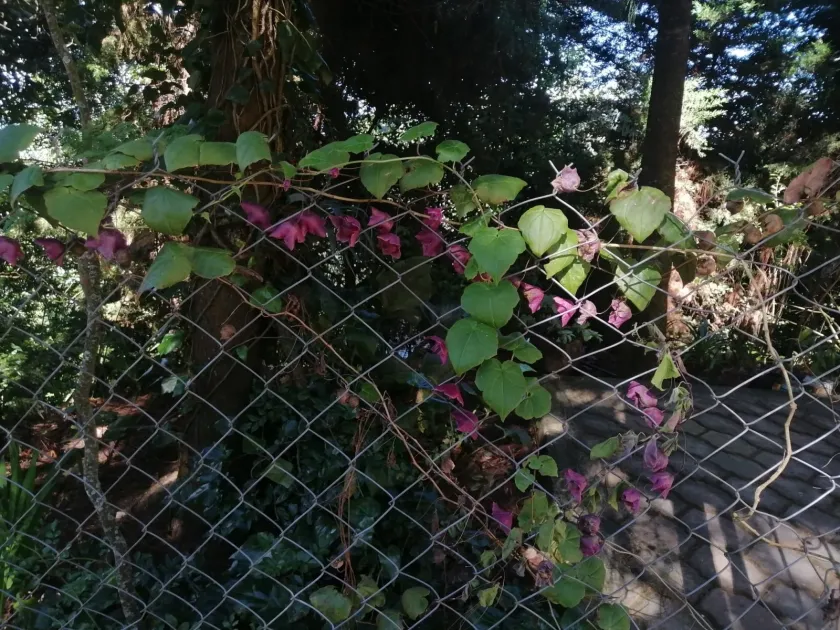
Description
Sowing dates
Rhodochiton atrosanguineus, commonly known as the purple bell vine, is a member of the Plantaginaceae family. While it is a tender perennial in its native habitat, it is typically grown as an annual in cooler climates.
For successful cultivation, seeds should be sown indoors in late winter, ideally between February and March. The seeds require warmth and light to germinate, so surface sowing in a high-quality seed starting mix is recommended.
Keep the seed trays at a constant temperature of 20–22°C. Germination can be slow and sporadic, sometimes taking up to a month, so patience is required during this stage.
Once seedlings have developed their first true leaves, they should be transplanted into individual pots. Pruning the growing tips during the vegetative stage helps encourage a bushier habit and more vigorous branching.
Hardening off the plants is a critical step before moving them outside. They should only be planted outdoors after all danger of frost has passed and the soil has warmed up significantly.
Growing requirements
Rhodochiton atrosanguineus thrives in a sunny spot that provides some protection from harsh midday heat and strong winds. A south or west-facing wall is often an ideal location for this vine.
The soil must be fertile, rich in organic matter, and well-draining. If the soil is too heavy or waterlogged, the roots will quickly succumb to rot, so amending the soil with perlite or grit is beneficial.
Consistent moisture is key to the plant's success. Water the vine regularly throughout the growing season, ensuring the soil remains moist but not saturated, as prolonged dampness is detrimental.
Feeding is essential for sustained flowering. Use a balanced liquid fertilizer every two weeks during the summer to support the production of its unique, deep-purple bell-shaped flowers.
This climber needs structural support to reach its full potential. Install a sturdy trellis, wire mesh, or decorative netting as soon as the plant starts producing its twining leaf stalks.
Main diseases and pests
The most common pests affecting this plant are aphids and spider mites, which are particularly active during dry periods. Regular inspection of the foliage is necessary to detect infestations early.
Fungal issues, such as gray mold (Botrytis), can arise if the plant is grown in poorly ventilated areas or if the foliage remains wet for extended periods during cool weather.
Overwatering is the primary cause of root-related diseases. Ensuring proper drainage and avoiding deep, waterlogged soils will significantly reduce the risk of plant loss.
If pests become a problem, insecticidal soaps or neem oil can be used for effective management. Always treat the undersides of the leaves, where pests typically hide and congregate.
Good air circulation is vital for maintaining plant health. Placing containers in an open area rather than a stagnant corner will help prevent many common fungal and pest-related problems.