
Rhipidoglossum rutilum
Rhipidoglossum rutilum
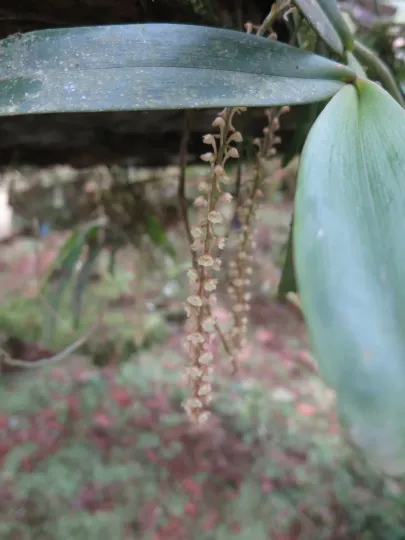
Description
Growing requirements
Rhipidoglossum rutilum belongs to the Orchidaceae family and is a miniature epiphytic species native to the tropical forests of Africa. This plant typically grows on tree branches, where it receives dappled light and consistent humidity.
Cultivating this plant requires a humid environment, ideally with levels ranging from 70% to 85%. In artificial settings, it is best kept in an enclosure or a greenhouse where moisture can be maintained throughout the day.
Light intensity should be kept at a low to moderate level. Intense, direct sun exposure will quickly damage the leaves of this species, so shade cloth or distance from the window is essential for successful growth.
The substrate must be exceptionally airy to prevent root rot. Most growers prefer mounting the plant on bark slabs or using a very coarse, orchid-specific bark mix that promotes rapid drainage after watering.
Temperature management involves keeping the plant in a warm, temperate range. It thrives between 20°C and 26°C during the day, with a slight drop in temperature at night to mimic natural conditions, which encourages healthy development.
Main diseases and pests
The primary threats to Rhipidoglossum rutilum are fungal pathogens caused by stagnant water or poor air circulation. Proper ventilation is critical to ensure that leaves dry sufficiently after misting or watering.
Insect pests such as scale insects and spider mites are common in indoor collections. These can be managed by maintaining proper hygiene, regular inspection, and applying horticultural oils or mild systemic insecticides if an infestation occurs.