
Rhamnella vitiensis
Rhamnella vitiensis
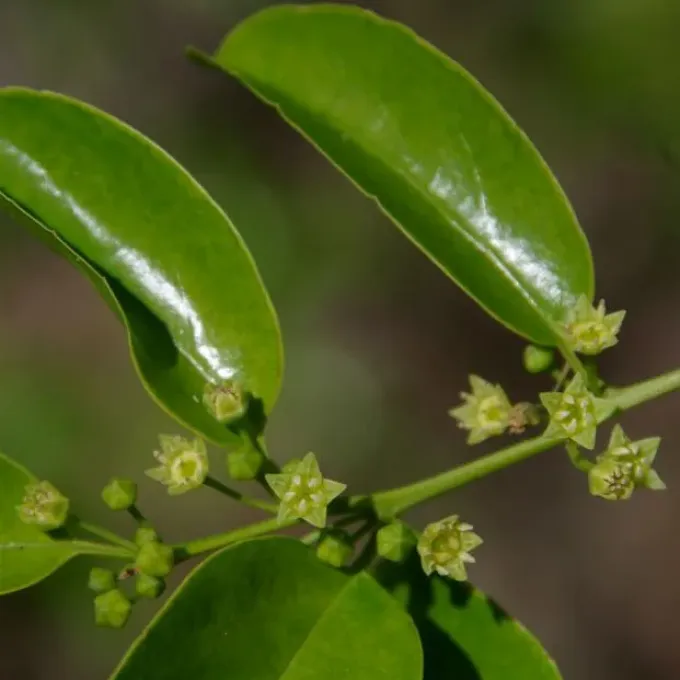
Description
Growing requirements
Rhamnella vitiensis is a woody plant species belonging to the Rhamnaceae family. Originating from the islands of Fiji, this species is well-adapted to tropical conditions and requires specific environmental parameters to thrive outside its native range.
The ideal growing medium for this culture is a well-draining, nutrient-rich soil with a neutral pH. Proper soil aeration is crucial to prevent root system suffocation, especially in container-grown or nursery-managed specimens.
The species requires a climate with high temperatures and consistent sunlight. It is sensitive to extreme weather conditions, particularly sudden temperature drops, which can severely stress the plant and reduce its overall vitality.
Botanically, Rhamnella vitiensis displays a compact growth habit, making it suitable for agroforestry applications. Its leaves and drupe-like fruits are typical characteristics of the Rhamnaceae family, requiring careful monitoring during the developmental stages.
Agricultural use of the plant includes soil stabilization and regional timber production. In local ecosystems, it provides valuable cover and contributes to biodiversity, acting as an important component in the native landscape structure.
Main diseases and pests
Root rot is the most common threat to the vitality of Rhamnella vitiensis, typically caused by waterlogged soil conditions. Managing drainage is the most effective preventative measure for this disease.
Pests that target the foliage, such as aphids and certain leaf-eating larvae, can cause significant damage to young plants. Regular scouting and early intervention are essential for maintaining plant health.
Fungal leaf spots may occur in environments with poor air circulation and high relative humidity. Maintaining adequate spacing between trees helps reduce the transmission of fungal spores.
Boring insects represent a potential risk for mature trees, particularly those experiencing environmental stress. Maintaining optimal tree health is the best defense against invasive pest infestations.
For chemical and biological control, it is recommended to use systemic pesticides only when necessary, ensuring the application does not negatively affect local beneficial pollinators or surrounding vegetation.