
Rhamnella franguloides
Rhamnella franguloides
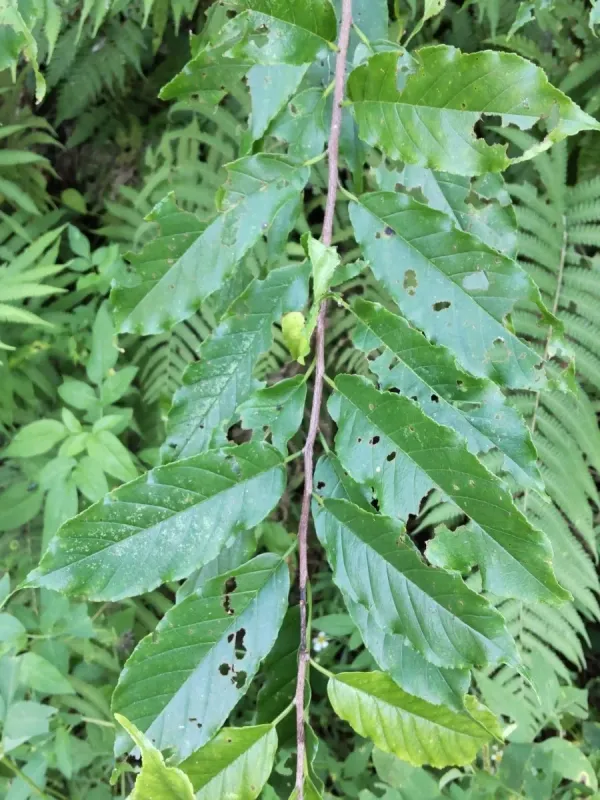
Description
Growing requirements
Rhamnella franguloides is a deciduous shrub or small tree belonging to the Rhamnaceae family. Originally native to regions in East Asia, including China, Korea, and Japan, it is typically found in woodland margins and mountain slopes, where it adapts to diverse ecological niches.
The plant requires full sun exposure to thrive and develop its characteristic form. While it may tolerate partial shade during its initial growth phases, optimal development and consistent foliage health are guaranteed only when the plant receives several hours of direct sunlight daily.
Regarding soil, Rhamnella franguloides prefers fertile, well-drained loamy soils with a pH ranging from slightly acidic to neutral. Soil aeration is critical for root health; therefore, heavy or compacted soils should be improved with organic matter and drainage materials before planting.
The species is moderately hardy but benefits from protection against harsh winter winds. In temperate climates, it thrives best when provided with consistent moisture during the growing season, especially during prolonged dry spells, to prevent stress and dehydration of the vascular system.
Routine cultural practices involve light pruning to shape the canopy and remove dead or crossing branches. This promotes better air circulation, which is vital for reducing the risk of humidity-related disorders within the foliage structure of the shrub.
Main diseases and pests
Fungal diseases, particularly leaf spots and mildews, are among the primary threats to Rhamnella franguloides, especially in regions with high seasonal rainfall. Maintaining proper spacing between plants is essential to prevent moisture accumulation and pathogen spread.
Insect pests, most notably aphids and spider mites, can cause significant damage by feeding on the sap of tender new growth. Infestations lead to leaf curling, chlorosis, and a general decline in the plant's overall vigor if left unmanaged during the early spring.
To control these pests, integrated pest management practices should be employed. This includes manual removal of infested shoots, the use of insecticidal soaps, and, in severe cases, the application of selective systemic insecticides as directed by horticultural experts.
Bacterial or fungal infections entering through mechanical wounds on the stems can also pose a risk. Ensuring that all pruning tools are properly disinfected before use is a fundamental practice in maintaining the health and longevity of the woody structure.
Regular monitoring of the underside of the leaves during the summer months is highly recommended. Early detection of pest colonies or signs of disease allows for targeted intervention, which is much more effective than treating well-established infestations.