
Rhagadiolus stellatus
Rhagadiolus stellatus
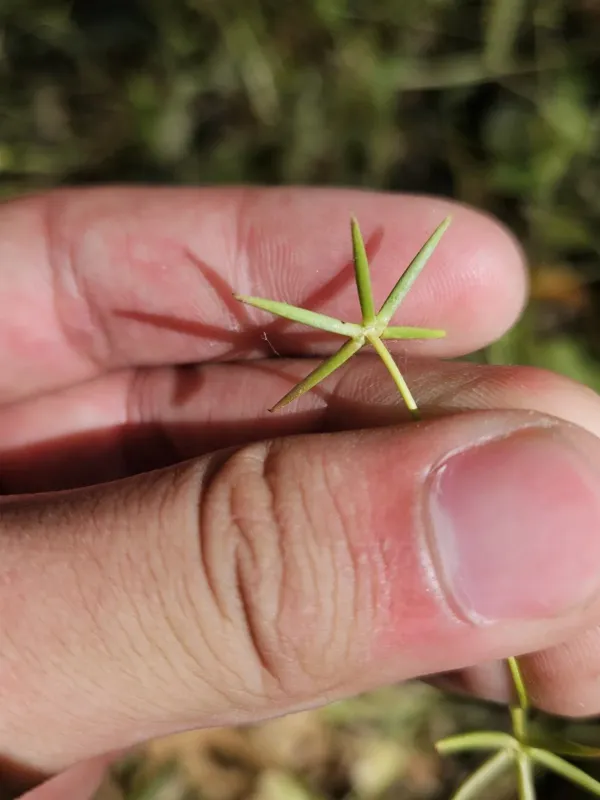
Description
Sowing dates
Rhagadiolus stellatus is an annual herbaceous plant that thrives when sown in early spring. The seeds require moderate moisture and warm soil temperatures to initiate germination, making the timing of sowing critical for establishment.
For optimal results, seeds should be sown shallowly in well-drained, porous soil. The small size of the seeds necessitates a light covering of soil to allow sufficient light penetration, which is a key trigger for the metabolic processes within the seed embryo.
Proper spacing is essential to ensure that each individual plant has adequate access to nutrients and sunlight. When grown on a larger scale, mechanical sowing in rows is recommended to facilitate future maintenance and weed control efforts during the vegetative phase.
Once established, the plant exhibits rapid growth, forming a dense rosette of basal leaves before transitioning to its reproductive stage. Careful management during the seedling stage is vital to prevent overcrowding and ensure a healthy, uniform stand.
Farmers should monitor soil moisture levels closely immediately after sowing, as dry topsoil can significantly impede germination rates. Maintaining a consistent moisture level during the first weeks of growth supports vigorous root system development.
Growing requirements
This crop is highly light-dependent and requires full sun exposure to reach its full physiological potential. Planting in shaded areas leads to etiolated, weak stems and significantly reduced seed production, which is undesirable for cultivation.
In terms of soil preference, Rhagadiolus stellatus performs best in loose, sandy-loam soils that offer excellent drainage. While the plant can tolerate poor soil conditions, improving nutrient availability through organic amendments often leads to more robust plant development.
The crop is relatively drought-tolerant once it reaches maturity, thanks to an efficient root system. However, providing supplemental irrigation during prolonged dry spells during the flowering phase will significantly enhance the overall quality and uniformity of the crop.
Temperature management is straightforward, as the plant is well-adapted to moderate climates. It performs optimally within a temperature range of 18°C to 25°C; however, it is sensitive to severe frost, which can damage the delicate apical tissues and suppress growth.
Agronomic practices should focus on maintaining good soil structure and aeration. Regular inter-row cultivation helps in preventing soil compaction, which is particularly beneficial in preventing root-zone waterlogging, a condition the plant does not tolerate well.
Main diseases and pests
Aphids represent the most significant pest pressure for this culture, as they tend to congregate on the succulent growth of the stems and flower buds. Integrated pest management strategies, including the use of beneficial insects, are recommended to maintain control.
Fungal pathogens such as powdery mildew may appear if the environmental conditions are characterized by high humidity and poor airflow. Increasing plant spacing and ensuring that foliage remains dry are the most effective non-chemical preventative measures.
Root rot, induced by excessive soil moisture, can become a limiting factor in heavier soils. Providing adequate drainage and preventing water stagnation around the base of the plant are essential for maintaining a healthy and productive crop population.
Weed competition during the initial establishment phase can be severe and may suppress plant growth significantly. Effective pre-emergence control and timely mechanical weeding are necessary to allow the crop to gain a competitive advantage early on.
Good agricultural practices, such as maintaining cleanliness in field tools and proper sanitation, significantly reduce the incidence of soil-borne pathogens. Monitoring the health of the leaves on a weekly basis allows for early detection of potential disease outbreaks.