
Edible hawkbit
Rhagadiolus edulis
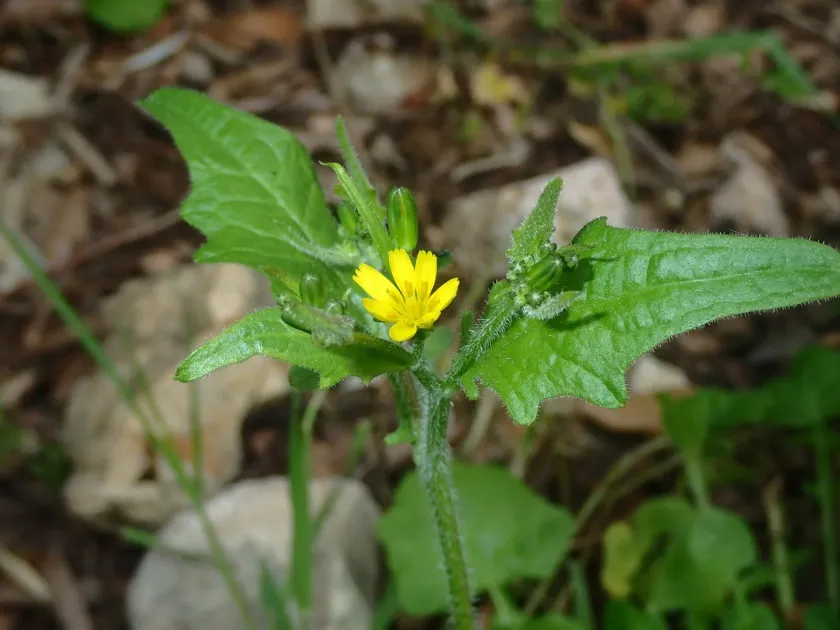
Description
Sowing dates
Edible hawkbit (Rhagadiolus edulis) is an annual herbaceous plant belonging to the Asteraceae family. In agricultural settings, it is often cultivated as a specialty salad green. The primary sowing period occurs in early spring, as soon as the soil temperature consistently reaches 8–10 degrees Celsius.
For early spring production, seeds can be sown in late autumn. This allows for early germination once the soil warms up. Since the plant has a relatively short lifecycle, consecutive sowing every two to three weeks is recommended to ensure a steady supply of fresh, tender leaves throughout the growing season.
The seeds are small, requiring a shallow sowing depth of approximately 1 to 1.5 centimeters. Row planting with a spacing of 20 to 25 centimeters is ideal. This spacing facilitates proper air circulation and makes weeding much more manageable, ensuring the crop remains free from competition.
Soil preparation is essential for optimal growth. The plant thrives in well-drained, fertile soil rich in organic matter. Sandy loam or well-cultivated loam soils are preferred, as they provide the necessary nutrients while preventing the waterlogging that can damage the delicate root system.
After the seedlings emerge, thinning is a crucial maintenance step. Maintaining a spacing of 10 to 15 centimeters between individual plants within a row promotes vigorous development of the basal rosette, which is the primary part of the plant consumed for culinary purposes.
##requirements##Edible hawkbit requires full sun exposure to reach its full potential. While it may tolerate partial shade, insufficient light often results in elongated, weak stems and less flavorful leaves. Open, sun-drenched locations are optimal for producing high-quality, vibrant green foliage.
The ideal temperature range for this crop is between 15 and 22 degrees Celsius. High temperatures during the summer months can trigger early bolting, leading to bitter and fibrous leaves. In hotter climates, it is best to concentrate cultivation during the cooler spring and autumn seasons.
Consistent soil moisture is necessary for the plant to maintain its texture and succulence. However, irrigation must be carefully managed. Excessive watering can create environments conducive to fungal infections, while drought conditions force the plant to develop bitter compounds as a stress response.
Fertilization should be balanced, focusing primarily on organic amendments like compost before planting. Excessive nitrogen fertilizer should be avoided, as it can lead to an accumulation of nitrates in the leaves, which negatively impacts both quality and the safety of the vegetable for consumers.
Crop rotation is a fundamental agronomic practice. Planting Edible hawkbit in the same location year after year should be avoided to prevent the buildup of soil-borne pathogens, especially those common to the Asteraceae family, which can significantly reduce the vitality of the crop.
Yield
The yield of Edible hawkbit depends largely on the attention given to the crop during its early development. Under good growing conditions, a yield of 1 to 1.5 kilograms per square meter is achievable. This can be maximized by ensuring optimal plant spacing and strictly controlling weeds.
Harvesting timing is the most critical factor influencing yield and quality. The crop should be harvested while it is still in the leafy rosette stage. Once the plant initiates its reproductive phase and begins producing a flower stalk, the leaves lose their tenderness and flavor.
In protected cultivation, such as greenhouses or polytunnels, the growing season can be extended, allowing for multiple harvests. This increases the total annual yield per unit area and allows growers to provide a premium product during off-peak times when fresh greens are in short supply.
Quality parameters include leaf size, uniform color, and the absence of insect damage. High-yield production systems should focus on uniform plant stands, as this simplifies the harvesting process and ensures that the final product meets the standards required for fresh-market sales.
As a niche crop, Edible hawkbit holds value for small-scale growers who cater to markets interested in diverse, nutrient-rich, and non-traditional vegetables. Proper marketing and consistent product quality are key to generating reliable profits from this small-scale vegetable production.
Main diseases and pests
Aphids are the most common pests affecting this crop, particularly in the spring. They tend to cluster on the undersides of the leaves. Because the plant is typically consumed raw, biological controls or insecticidal soaps should be used as the primary method of management.
Powdery mildew is a significant threat during periods of high humidity and poor ventilation. To manage this disease, growers should ensure that planting density is not excessive and that the canopy is kept dry by avoiding overhead irrigation whenever possible.
Root rot is frequently associated with poor soil drainage. If the soil tends to compact, adding perlite or organic matter can improve structural integrity and drainage. Monitoring the soil moisture levels and ensuring that the water drains away quickly is the best preventative strategy.
Leaf-mining insects can damage the aesthetics of the leaves by creating internal tunnels. Regular inspection of the crop allows for the early removal of infested leaves. This helps to prevent the population from exploding and minimizes the need for more intensive management practices.
Preventative hygiene is the cornerstone of pest management for Edible hawkbit. By keeping the site free of debris and ensuring that neighboring plants are healthy, the risk of pest and disease outbreaks is significantly reduced, preserving the overall health of the crop until harvest.
Harvesting
Harvesting is usually done by cutting the leaf rosette at the base with a sharp knife. This technique ensures a clean cut and minimizes damage to the surrounding plant tissues. The work is best performed in the cool early morning hours when the leaves have the highest moisture content.
Immediate post-harvest care is essential for maintaining freshness. The cut leaves should be kept in a cool, shaded environment to prevent wilting. Providing high humidity and keeping the temperature near 2–5 degrees Celsius will prolong the shelf life significantly after the harvest.
Shelf life is relatively short, usually lasting only two to three days under optimal refrigeration. Proper packaging is important; using breathable containers or perforated bags allows for gas exchange while maintaining moisture, which prevents the leaves from turning yellow or rotting.
Sorting and grading should be done immediately after harvesting. Removing any yellowed, damaged, or decayed leaves before packaging ensures that only the highest quality produce reaches the customer, which is vital for building brand reputation and ensuring repeat sales in the vegetable market.
While mechanical harvesting is possible on a large scale, hand-harvesting is preferred for this delicate vegetable to minimize bruising and ensure only the most mature and succulent rosettes are picked. This precision in harvesting is what differentiates high-quality fresh produce from mass-marketed greens.