
Darling plum
Reynosia septentrionalis
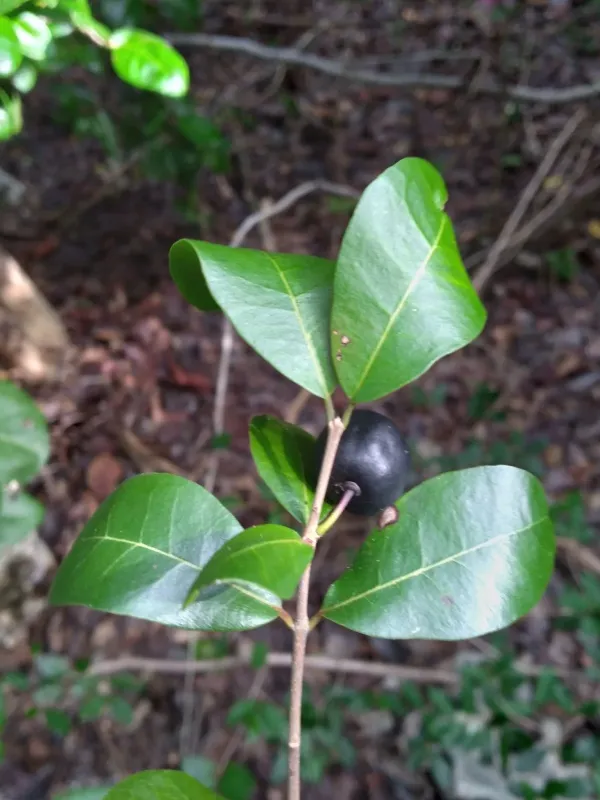
Description
Sowing dates
The Darling plum (Reynosia septentrionalis) is a woody plant of the Buckthorn family that is typically propagated from seeds collected from mature, healthy fruits.
Seeds require a period of stratification to break dormancy, which is essential for ensuring a high rate of germination when planting in controlled nursery settings.
Spring is the ideal time for sowing, as the rising temperatures provide the necessary energy for the embryo to develop into a viable seedling.
Nursery beds should feature a well-draining substrate mixture, as the young seedlings are highly sensitive to soil compaction and moisture retention issues.
Transplanting into the field should occur once the risk of frost has passed, ensuring the sapling has sufficient time to establish a root system before the onset of extreme heat.
Growing requirements
This species is native to tropical and subtropical climates, thriving naturally in coastal habitats, including limestone outcroppings and sandy soils.
The plant is remarkably sun-loving and requires full exposure to solar radiation to maintain its growth density and to produce flowers in significant quantities.
Due to its ecological origin, it is highly tolerant of saline conditions, making it an excellent choice for coastal agricultural plots and saline-heavy landscape restoration.
The soil must have exceptional drainage properties; while it can tolerate poor, rocky soils, it will struggle severely in waterlogged or heavy clay environments.
While mature plants are drought-tolerant, consistent but moderate watering is necessary during the establishment phase to ensure long-term health and vitality.
Yield
The Darling plum produces small, dark-skinned drupes that are highly appreciated in its native range for their sweet, edible pulp and nutritional content.
Yield capacity improves as the tree matures, provided that the plant receives adequate sunlight and is kept free from excessive weed competition in the surrounding area.
Commercial or home-garden production focuses on the collection of fruits for fresh consumption or as a natural ingredient for local food manufacturing.
Pruning is a beneficial practice to encourage the development of new fruiting spurs, which helps in sustaining regular yields over multiple years.
Although it is not a major commodity crop globally, it serves as a reliable food source in managed agroforestry systems within its native tropical zones.
Main diseases and pests
Like many species in the Rhamnaceae family, the Darling plum can be affected by various scale insects that feed on the sap of tender, young stems.
Fungal pathogens represent a primary concern in regions with high humidity, particularly when there is insufficient airflow through the plant's canopy.
Over-fertilization should be avoided, as this plant is adapted to nutrient-poor soils and may suffer from root toxicity if mineral additives are used in excess.
Weed control is of the utmost importance during the first few years of the plant's life, as it is relatively slow-growing and easily outcompeted by aggressive grasses.
Root rot, triggered by poor soil drainage and standing water, is the most common cause of mortality in cultivated specimens of this species.
Harvesting
Harvesting must be performed manually, as the berries are soft and thin-skinned, making them highly susceptible to bruising from mechanized harvest equipment.
The maturity of the fruit is indicated by a deep purple or near-black coloration, signaling that the pulp has developed its full sugar content and flavor profile.
Post-harvest shelf life is relatively short, requiring immediate cooling or processing shortly after the fruit has been removed from the branch.
Care should be taken during the harvesting process to avoid stripping the tree of vegetative buds, which are necessary for the development of future seasons' crops.
Using shallow containers during the gathering process helps maintain the structural integrity of the harvested fruit and preserves its overall quality for the consumer.