
Redfieldia flexuosa
Redfieldia flexuosa
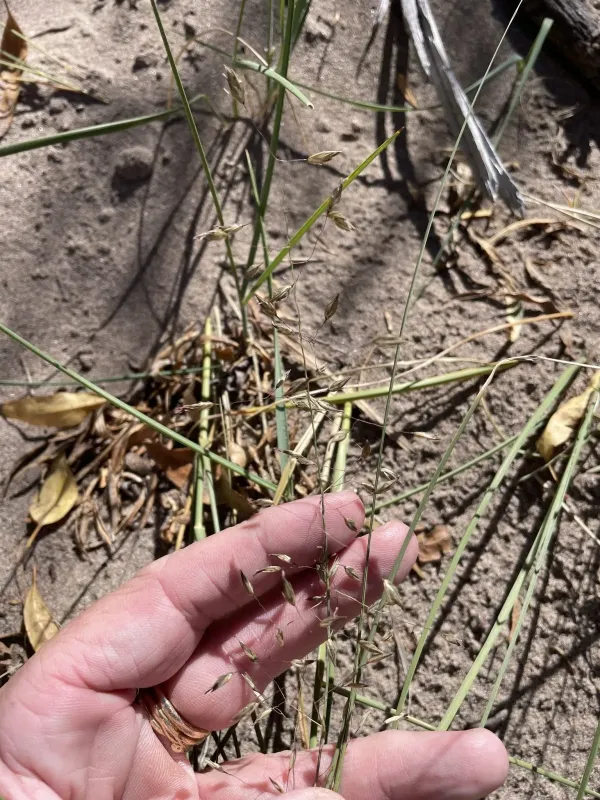
Description
Sowing dates
Redfieldia flexuosa, commonly known as blowout grass, is a perennial native grass that reproduces primarily through rhizomes and seeds. The optimal time for sowing is during the spring season once the soil temperature is consistently above 10–12 degrees Celsius.
Seeds typically exhibit dormancy, necessitating stratification to improve germination rates. When sowing, seeds should be placed shallowly, at a depth of 1–2 centimeters, as they require adequate surface moisture and warmth to initiate development.
Row planting is standard for controlled cultivation, allowing the rhizomatous root system to spread without intense competition. Adequate spacing ensures that each plant receives sufficient resources during the critical establishment phase.
For land reclamation projects, broadcasting the seed is common, followed by mechanical packing. This practice ensures that the small seeds maintain contact with the sandy substrate, preventing displacement caused by high wind speeds.
Establishment requires monitoring moisture levels in the first few weeks. While the adult plant is exceptionally hardy, young seedlings need consistent moisture to develop a deep, anchoring root system capable of enduring future drought.
Growing requirements
As a member of the Poaceae family, Redfieldia flexuosa is native to the sandy prairies of North America. It is perfectly adapted to survive in harsh, high-stress environments characterized by extreme heat and prolonged moisture deficits.
The ideal growing medium for this grass is loose, well-drained, sandy soil. It thrives in blowout areas and dunes where standard agricultural crops would suffer from structural instability and lack of nutrient access.
This grass is a key species for combating wind erosion. Its extensive, deep-reaching root system binds loose sand particles together, creating a resilient vegetative mat that holds the soil in place against severe winds.
Redfieldia requires full sun exposure to flourish. Lack of light restricts its growth, reduces the density of the canopy, and hinders the plant's ability to accumulate the biomass necessary for soil protection.
The plant possesses a high tolerance for infertile, nutrient-poor substrates. It efficiently manages nitrogen uptake in arid conditions, making it an excellent choice for regenerating degraded landscapes where soil fertility is extremely low.
Yield
The primary utility of Redfieldia flexuosa is ecological restoration and sand dune stabilization. It is not typically grown for high-volume hay production, as its biomass is secondary to its conservation functions.
The foliage tends to be coarse and fibrous, which is a common trait in drought-hardy prairie grasses. While livestock may graze it in the early growing season, its nutritional value and palatability decrease as the plant matures.
In agricultural terms, yield is measured by the plant's ability to maintain protective ground cover under extreme conditions. It serves as a vital component for resilient pasture systems in dry climates where other grasses fail.
Seed harvest is challenging due to the asynchronous ripening of the panicles. Specialized equipment is often required to collect seeds efficiently without significant loss, which limits the commercial availability of the seed.
The highest economic and environmental value is gained when the grass is used for erosion control. It quickly creates a sustainable root network that secures bare sand, effectively reclaiming land that would otherwise remain barren.
Main diseases and pests
Because it is highly specialized for arid, sandy environments, Redfieldia flexuosa is remarkably resistant to the common fungal diseases that typically plague agricultural cereal crops. Its habitat naturally limits pathogen growth.
Insect pests, such as grasshoppers, may occasionally feed on young foliage. However, mature plants are protected by their tough, silica-rich leaf structure, which makes them unappealing to many common agricultural pests.
Root-related diseases are rare provided the soil has proper drainage. The plant is built for oxygen-rich, well-draining soil, so excessive moisture or waterlogging is the most significant physiological threat to its survival.
Weed competition during the initial growth phase is the main hurdle for successful establishment. Early intervention to clear aggressive weeds ensures that the grass can spread its rhizomes and form a dense colony.
Chemical intervention is almost never required for this hardy species. Its growth habits allow it to dominate its immediate environment once established, effectively outcompeting most invasive weeds without the need for synthetic inputs.