
Rauvolfia tetraphylla
Rauvolfia tetraphylla L.
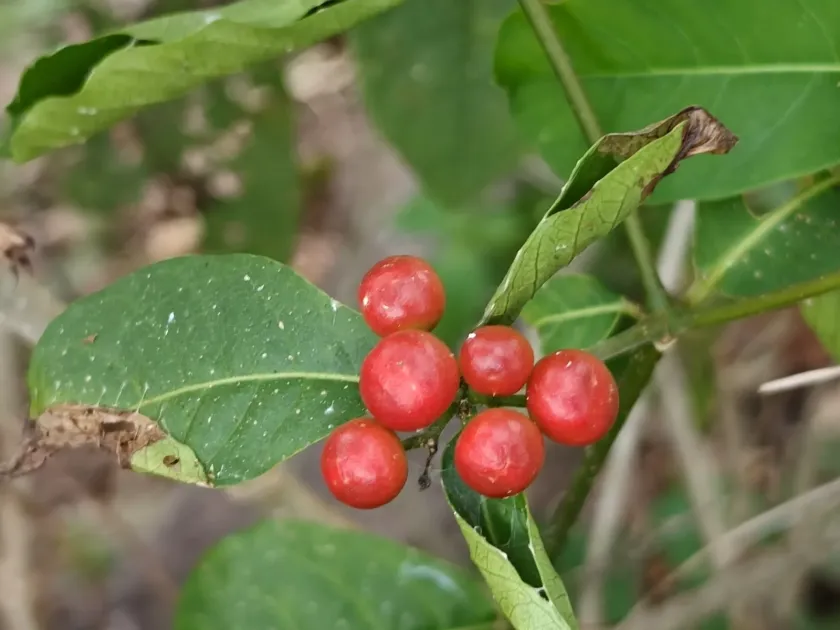
Description
Growing requirements
Rauvolfia tetraphylla L. is a tropical evergreen shrub belonging to the Apocynaceae family. Native to Central and South America, it is widely recognized for its significant role as a source of medicinal compounds.
This crop thrives in tropical environments with consistent temperatures and high humidity. It requires a frost-free climate, with optimal development occurring in temperature ranges between 22 and 30 degrees Celsius throughout the growing season.
Soil requirements for Rauvolfia tetraphylla involve well-draining, nutrient-rich soils. Sandy loams or alluvial soils are preferred, provided they offer excellent water permeability. Maintaining proper drainage is essential to prevent root rot.
Agricultural management requires consistent irrigation, particularly during dry spells, and the application of balanced fertilizers. Proper spacing is necessary to ensure adequate air circulation and to minimize competition for sunlight among individual plants.
Economically, the crop is cultivated for its roots, which are a concentrated source of alkaloids such as reserpine. These compounds are integral to the global pharmaceutical industry for treating hypertension and psychiatric disorders.
Main diseases and pests
The plant can be susceptible to common tropical pests such as aphids, mealybugs, and spider mites. These insects feed on the sap and can significantly reduce the vitality of the plant if left unchecked.
Fungal pathogens, particularly those affecting the root system, are the primary disease threats. These are usually facilitated by soil waterlogging or high humidity levels that do not allow the root zone to dry sufficiently.
Integrated Pest Management (IPM) strategies, including biological control and targeted application of approved agrochemicals, are used to maintain plant health. Regular scouting for early infestation is highly recommended.
Maintaining soil hygiene and ensuring good drainage are the most effective preventative measures against fungal outbreaks. Removing weeds also reduces the presence of alternative host plants for pests.
By employing sustainable agricultural practices, farmers can minimize the risk of yield loss, ensuring that the roots remain in optimal condition for industrial harvesting and processing.