
Michaux pear
Pyrus x michauxii Bosc ex Poir.
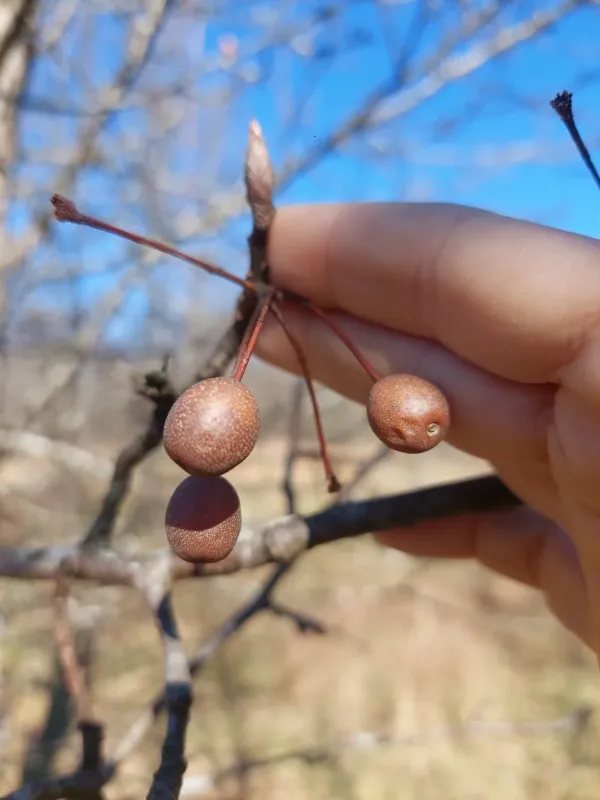
Description
Growing requirements
The Michaux pear (Pyrus x michauxii) is a hybrid species within the Rosaceae family, widely recognized for its ornamental characteristics. This tree is valued primarily for its silvery-hued foliage, which provides a distinct aesthetic contrast in garden landscapes and urban green spaces.
Originating from regions with temperate climates, this species exhibits significant adaptability to varying weather conditions. It shows reliable hardiness against cold winters and possesses moderate drought tolerance once the root system is well-established in the soil.
Regarding soil requirements, the Michaux pear thrives in well-drained, fertile loamy or sandy loam soils. It is essential to ensure that the site has excellent drainage, as the species is sensitive to waterlogged conditions that can cause root decay.
Optimal growth is achieved when the tree is planted in full sun, which enhances the vibrancy of its foliage and encourages strong, healthy branching. Insufficient light can lead to a weaker structure and diminished decorative appeal, making site selection crucial.
Cultural management involves regular pruning during the dormant season to maintain the desired shape and improve air circulation. Fertilization with balanced nutrients in early spring supports sustained growth and keeps the tree resilient against environmental stressors.
Main diseases and pests
The Michaux pear is susceptible to common fungal diseases, including scab and fire blight, which can thrive in humid and poorly ventilated conditions. Regular inspections and the application of suitable fungicides are recommended to manage these infections effectively.
Pests such as aphids, mites, and scale insects may occasionally infest the foliage and bark. Integrated pest management strategies, focusing on early detection and targeted treatments, are essential to minimize damage to the tree's ornamental appearance.
Sanitation practices play a vital role in disease prevention; removing fallen leaves and pruning away infected branches helps break the lifecycle of most common pathogens. Keeping the surrounding area clean prevents the buildup of overwintering pests.
Proper airflow through the canopy, achieved by thinning the branches, is a primary cultural defense against fungal development. A well-pruned tree is inherently more resistant to the damp conditions that promote disease outbreaks.
In addition to standard maintenance, monitoring tree health via consistent fertilization and watering helps build a strong defense. Healthy, vigorous plants can often tolerate minor pest infestations without requiring extensive chemical intervention.