
Hybrid of Pyrus bretschneideri and Pyrus communis
Pyrus x bretschneideri Rehder x Pyrus communis L.
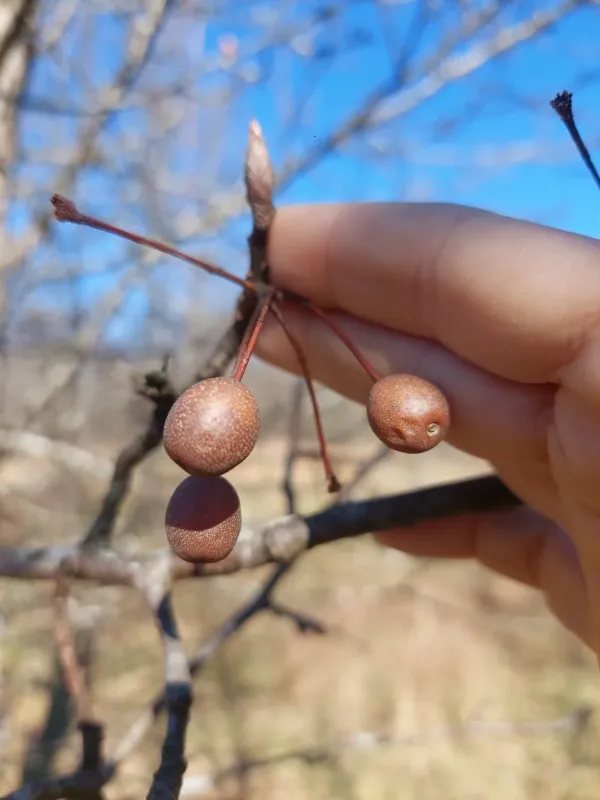
Description
Growing requirements
This hybrid is a cross between the Chinese white pear (Pyrus bretschneideri) and the European pear (Pyrus communis), belonging to the Rosaceae family. It combines the crunchy texture of the Asian parent with the aromatic quality of the European species.
The tree thrives in well-drained, fertile soil with a neutral pH level. It requires a site with deep soil structure to accommodate its extensive root system, avoiding waterlogged areas that may cause root rot.
Abundant sunlight is essential for this culture. Placing the tree in a south or south-west facing location ensures optimal sugar development in the fruits and promotes robust vegetative growth throughout the season.
Climate requirements include a temperate environment. While it is hardier than many pure European varieties, it requires protection from late spring frosts, which can damage flowers and result in significant crop loss.
Agrotechnical maintenance involves regular deep irrigation during the dry summer months and annual pruning to encourage an open canopy structure, allowing light and air to penetrate the center of the tree.
Main diseases and pests
The hybrid is susceptible to common pear pathogens such as scab (Venturia pyrina), which affects leaves and fruits. Preventive fungicide applications are recommended during the early spring blossoming phase.
Fire blight (Erwinia amylovora) represents a significant threat. Management strategies must include rigorous sanitation, pruning of infected branches several inches below the visible damage, and sterilization of all garden tools.
Pests like the pear psylla and various species of mites can cause severe damage. Integrated pest management, involving the use of horticultural oils and specific predatory insects, is effective in maintaining population control.
Moth larvae, particularly the codling moth, can infest the fruit. Pheromone traps and strategic timing of insecticide application are standard practices for managing this pest in commercial orchards.
Healthy trees are naturally more resistant to disease. Proper nutrition, specifically focusing on calcium and potassium levels, helps maintain the integrity of fruit cells, making them less prone to fungal entry.
Harvesting
Harvesting should occur when the fruit achieves its peak firmness and characteristic color. It is vital to monitor the progression of ripening, as the hybrid can sometimes ripen rapidly in high temperatures.
Post-harvest handling is critical for fruit quality. Fruits should be picked manually and placed in padded crates to prevent bruising, which is the primary cause of decay during the storage phase.
For storage, a controlled atmosphere with temperatures between 0 and 2 degrees Celsius is ideal. Humidity should be kept at 90 percent to prevent dehydration and shriveling of the fruit skin.
The culinary utility of this hybrid is extensive. It is appreciated both as a fresh market product and a high-quality component for industrial fruit processing, such as juice, drying, and preserves.
Efficient orchard management ensures that the harvest is completed at the correct stage of physiological maturity. Regular cleaning of the orchard floor helps minimize future pest pressure and disease overwintering.