
Callery pear and Pyrus pyrifolia hybrid
Pyrus calleryana x Pyrus pyrifolia
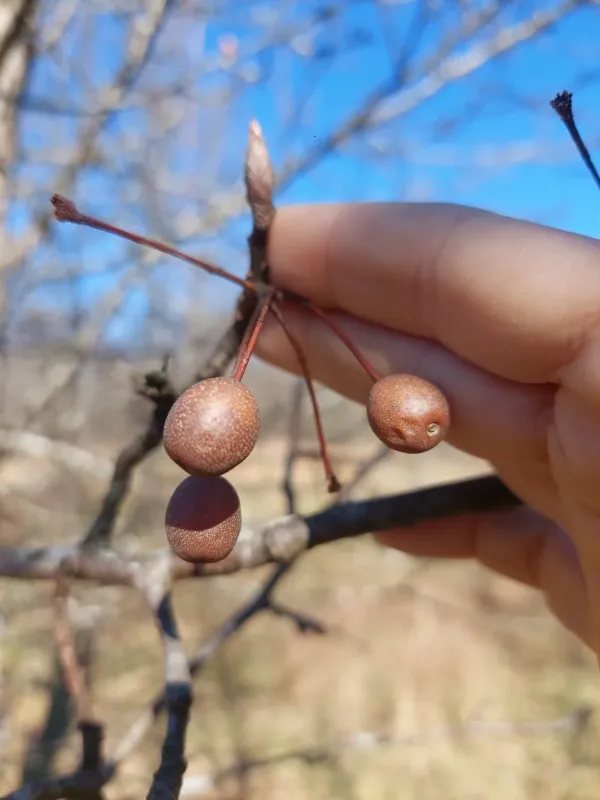
Description
Growing requirements
This hybrid, resulting from the cross between Pyrus calleryana and Pyrus pyrifolia, belongs to the Rosaceae family. It is primarily valued in modern pomology as a versatile and robust rootstock for cultivated pear varieties.
The plant demonstrates significant environmental plasticity, capable of thriving in various soil conditions, including compacted or heavy clay soils where other varieties might struggle. Its vigorous root system provides excellent anchorage and water uptake efficiency.
Climate adaptation is a core strength of this hybrid, as it exhibits remarkable drought tolerance. It performs best in regions with moderate temperatures and sufficient sunlight, which is crucial for structural wood development and overall health.
Regarding soil requirements, the hybrid prefers neutral to slightly acidic pH levels. It is notably tolerant of high alkalinity, which helps prevent iron chlorosis, a common physiological issue in many pear cultivars planted in suboptimal soils.
Agricultural management involves careful training and pruning during the early stages of establishment. Due to its high compatibility with commercial scions, it is widely recognized in nursery production as a reliable foundation for high-yielding orchards.
Main diseases and pests
A major agricultural benefit of this hybrid is its proven resistance to fire blight (caused by Erwinia amylovora), a devastating disease that affects many Rosaceae species.
Despite its disease resistance, the hybrid remains susceptible to common leaf spot diseases like scab if conditions are overly humid, requiring standard fungicide applications when necessary.
Insect pests such as pear psylla and various aphid species can cause damage to tender shoots, potentially affecting tree vigor if populations are left unchecked.
Best practices for pest control involve monitoring seasonal outbreaks and utilizing integrated pest management strategies to maintain tree health with minimal chemical impact.
Proper orchard sanitation, including the removal of deadwood and maintenance of good airflow through the canopy, is essential to minimize the pressure from common pathogens.