
Carolina desert-chicory
Pyrrhopappus carolinianus
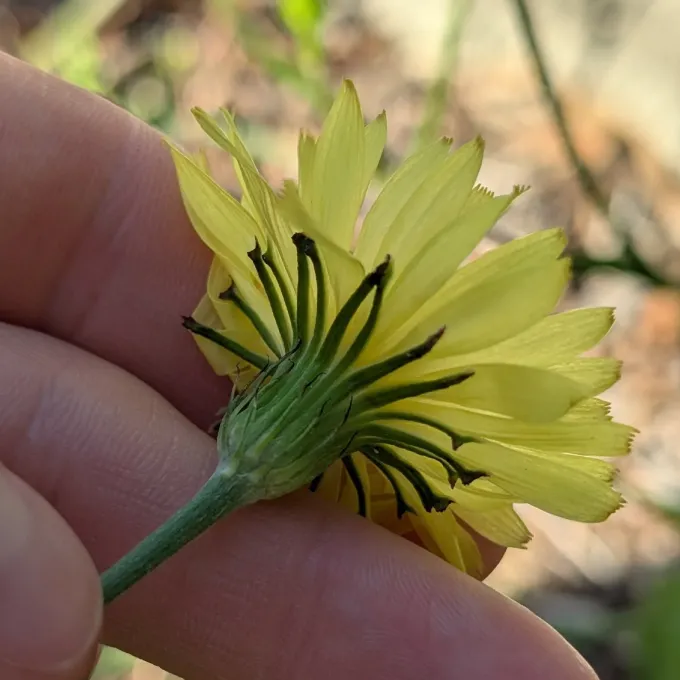
Description
Sowing dates
Carolina desert-chicory is typically propagated from seeds during the spring season when soil temperatures remain stable. The seeds require shallow planting, ideally no more than 1–2 centimeters deep, to ensure successful germination without exhausting energy reserves.
In agricultural settings, precise sowing depth is essential for establishing a uniform crop stand. Using mechanical seed drills calibrated for small-seeded plants helps in maintaining proper spacing and achieving the desired plant density across the field.
Post-sowing soil compaction is recommended to increase moisture contact with the seeds, which significantly boosts germination rates. Consistent moisture in the topsoil is crucial during the first two weeks after planting to facilitate root establishment.
The crop prefers well-prepared seedbeds that are free of debris and large clods. This allows the delicate seedlings to emerge without physical obstruction and minimizes the chances of seedling damping-off caused by poor air circulation.
In regions with fluctuating weather, timing the sowing to follow the last frost is essential. As an Asteraceae family member, the plant requires a period of warming to trigger its vegetative growth phase effectively.
Growing requirements
The plant thrives in full sun exposure, requiring at least 6 to 8 hours of direct light daily. Shade significantly hampers its growth, leading to weak, spindly stems and poor floral production, which is undesirable for seed harvesting.
Soil drainage is the most critical requirement for long-term health. The species prefers sandy or loamy soils that prevent waterlogging, as the plant's taproot system is highly susceptible to rot when exposed to excessive stagnant moisture.
Carolina desert-chicory is known for its moderate drought tolerance once established. Its deep taproot allows it to access subsurface moisture, making it a resilient option for semi-arid environments where other leafy crops might fail.
The plant demonstrates adaptability to varied soil pH levels, although it performs best in neutral to slightly alkaline soils. Heavy fertilization is generally unnecessary and can actually lead to overgrowth, which makes the plant more vulnerable to lodging.
Climate-wise, it requires moderate temperatures for optimal development. While it can withstand short periods of extreme heat, prolonged heatwaves combined with drought may induce premature dormancy, ending the plant's vegetative cycle earlier than expected.
Main diseases and pests
Fungal diseases like powdery mildew are the primary threats to the crop, particularly in high-humidity environments. Good airflow management through proper plant spacing is the most effective way to mitigate these risks in large-scale plantings.
Aphids and various coleopteran pests are common visitors that can damage flower buds and young foliage. Integrated pest management, including the use of beneficial insects, is encouraged to keep these populations under control.
Root-feeding insects can cause significant damage to the taproot, often resulting in sudden wilting. Monitoring for these pests in early summer is essential to prevent localized die-off within the field.
Viral infections can cause stunted growth and chlorosis, significantly reducing the vigor of the plants. Since these are often transmitted by sap-sucking insects, controlling the vector population is critical to maintaining the health of the crop.
Sanitation practices, such as removing infested plant materials and managing weeds that may act as disease reservoirs, are standard protocols. Avoiding monocultures and rotating fields help maintain the long-term sustainability of the planting site.
Harvesting
Harvesting for seed production should occur once the pappus (the tufted structures) begins to darken and detach easily from the flower head. Timing is critical to prevent the loss of seeds through wind dispersal, which is a natural mechanism for this species.
Manual harvesting involves clipping the flower heads before they fully open to release their seeds, or using specialized suction equipment. If managed for forage, the harvest should occur just before the flowering stage to maximize nutrient density.
After collection, the seed heads require immediate drying in a well-ventilated area to prevent fungal growth. Once sufficiently dry, the seeds can be threshed and cleaned of chaff to improve storage longevity and viability for the next season.
Storage conditions for seeds should be cool and dry, ideally in hermetic containers. Proper storage ensures that the germinative capacity of the seeds remains high for subsequent years of cultivation.
For forage purposes, rotational grazing or mowing must be managed to allow for potential regrowth. Cutting the plant too low might damage the crown, so maintaining a stubble height of at least 5–10 centimeters is advised for regeneration.