
Pyrrhanthera exigua
Pyrrhanthera exigua
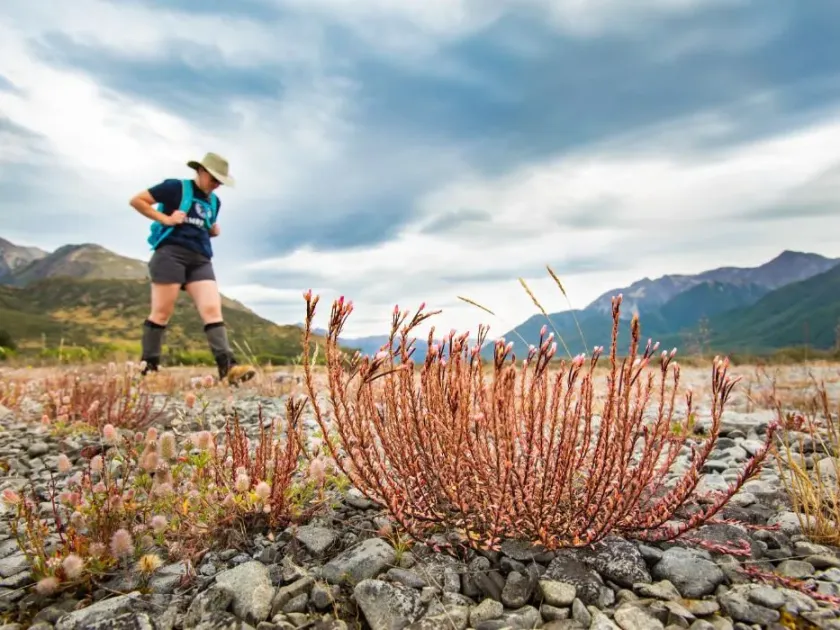
Description
Growing requirements
Pyrrhanthera exigua is a grass species belonging to the Poaceae family. It is recognized for its adaptation to specific ecological niches, often found in arid and semi-arid regions where other forage grasses may struggle to survive.
The crop thrives in well-drained, sandy, or loamy soils. It requires adequate sunlight and is sensitive to soil compaction, which can negatively impact its root development and overall biomass production during the growth cycle.
Environmental conditions play a crucial role in its development. It prefers regions with distinct dry seasons, as it possesses biological mechanisms to endure periods of low rainfall by minimizing transpiration through its leaf structure.
Agricultural management should focus on maintaining soil fertility through precision fertilization. Nitrogen application should be calibrated to avoid excessive vegetative growth that might lead to lodging or reduced nutritional density.
The botanical structure of the plant consists of fine, slender culms and narrow leaves, which are typical adaptations for species evolving in resource-limited environments, making it a hardy plant for range improvement.
Harvesting
Pyrrhanthera exigua is primarily utilized in livestock farming as a grazing grass or a component of hay mixtures. Its nutritional value makes it a reliable source of fiber and essential nutrients for herbivores.
Harvesting for hay should ideally occur during the late boot to early flowering stage. This timing ensures the best balance between digestible protein content and structural fiber required for animal health.
When used as pasture, the crop benefits from controlled rotational grazing. This practice prevents overgrazing and allows the plant to replenish its root reserves, ensuring sustained productivity over multiple seasons.
Post-harvest management involves uniform drying to prevent fungal growth, which is critical if the crop is intended for long-term storage in bales or large bunker silos.
Seed production requires monitoring the ripening process to prevent shattering losses, as the seeds of many Poaceae species can drop prematurely if harvesting is delayed beyond peak maturity.