
Pygmaeothamnus zeyheri
Pygmaeothamnus zeyheri
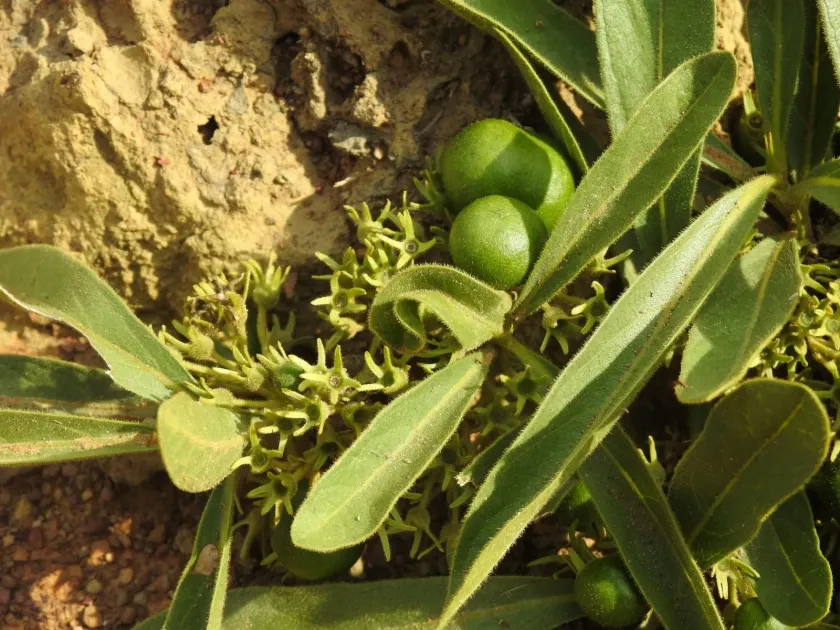
Description
Growing requirements
Pygmaeothamnus zeyheri is a perennial plant species belonging to the Rubiaceae family, primarily native to the Southern African region, including countries like South Africa and Botswana.
The plant is biologically characterized by a robust underground root system, which allows it to thrive in environments prone to frequent wildfires and seasonal moisture deficits.
It prefers well-drained sandy or loamy soil types and is highly sensitive to waterlogged conditions, which limits its distribution to specific, well-drained habitats in the savanna.
In terms of climate, the species is adapted to semi-arid regions with high solar radiation levels, requiring significant sunlight to maintain its active vegetative growth cycle.
As a wild-growing species, it does not require agricultural cultivation practices, yet it occupies a significant role in ecological studies regarding rangeland management and botanical toxicology.
Main diseases and pests
The primary concern regarding Pygmaeothamnus zeyheri is its high toxicity to livestock, specifically cattle, which can ingest the plant during grazing activities on infested pastures.
Consumption of this plant causes a well-documented chronic heart disease in ruminants, known locally in its native range for causing significant economic losses to farmers.
Managing this weed is challenging because of its perennial nature and deep-seated rootstock, which makes conventional physical weeding ineffective in most agricultural settings.
Control strategies often involve the strategic use of herbicides, though pasture management and stocking density control remain the most effective methods to reduce animal exposure.
For agricultural safety, identifying this plant during the early growth stages is essential for effective pasture sanitation and preventing livestock poisoning incidents.