
Pyropia yezoensis
Pyropia yezoensis (Ueda) M.S.Hwang & H.G.Choi
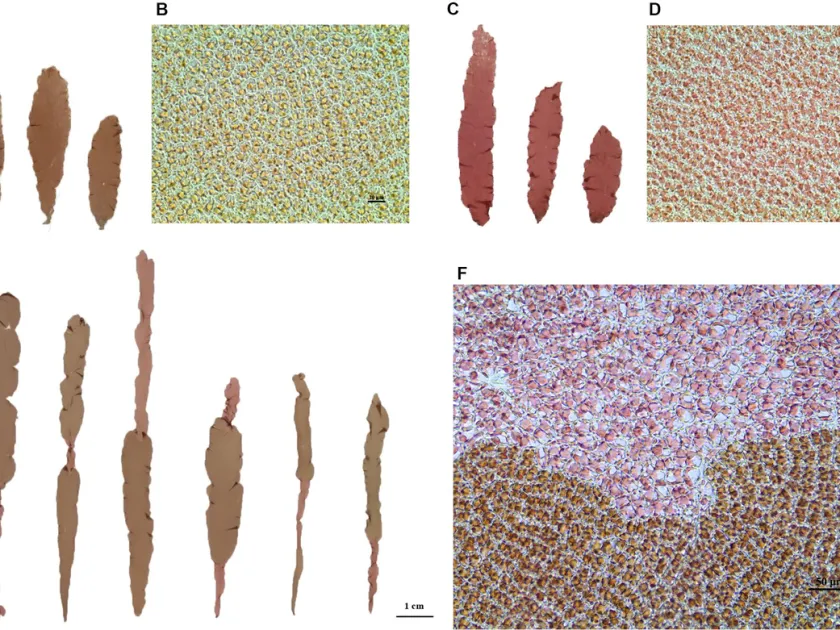
Description
Sowing dates
The life cycle of Pyropia yezoensis begins in the conchocelis phase, typically conducted in specialized hatcheries. Conchospores are seeded onto a substrate, most commonly utilizing synthetic nets or nylon ropes designed for seaweed aquaculture.
The industrial seeding process involves immersing the prepared nets in tanks filled with seawater saturated with spores. The optimal time to initiate this process is late summer or early autumn, as water temperatures begin to drop to levels suitable for germination.
Once the spores have successfully attached to the nets, they are transported to the sea and installed on specially prepared plantation sites. The location of these farms is chosen based on tidal current patterns to ensure a consistent supply of nutrients and oxygen.
Regulating the depth of the net installation is a vital agricultural technique. Farmers periodically raise or lower the nets to ensure the seaweed receives optimal sunlight while undergoing natural sanitation through exposure to air during low tide.
Sensitivity to seasonal temperature fluctuations makes the timing of the seeding phase critical. Poor scheduling can lead to infestations by unwanted epiphytic algae or mass mortality of young thalli due to adverse environmental conditions.
Growing requirements
Pyropia yezoensis is a red marine alga belonging to the Bangiaceae family, requiring specific conditions for active photosynthesis. The crop thrives in temperate marine waters with high concentrations of nitrogenous and phosphorus compounds essential for biomass formation.
The optimal temperature range for vegetation is between 5 and 15 degrees Celsius. Temperatures exceeding 20 degrees are often detrimental, causing degradation of the thalli, which makes selecting a location with cold currents essential for a stable harvest.
Salinity levels of the seawater must be maintained within the 20–30 PSU range. Significant fluctuations in salinity, caused by freshwater runoff or high evaporation, negatively affect tissue integrity and the concentration of pigments within the seaweed.
A crucial requirement is the presence of active water exchange in the cultivation area. Consistent movement of water ensures the influx of nutrients and prevents stagnant conditions that could lead to the proliferation of pathogenic microorganisms.
Light intensity plays a decisive role in the accumulation of beneficial nutrients. Areas with excessive turbidity or excessive depth are unsuitable for industrial cultivation as they restrict the photosynthetic activity of the culture.
Yield
The yield of Pyropia yezoensis depends heavily on planting density and the quality of plantation management. When proper technology is applied, a single net can yield multiple harvests within a single production season because the seaweed is capable of rapid regeneration.
On average, an industrial farm can expect to produce several tons of raw wet mass per hectare of sea surface. The final yield of the finished product, in the form of Nori sheets, depends on the moisture content and the purity of the raw material post-harvest.
Modern breeding methods have enabled the development of fast-growing strains, which increase harvest volumes by 20-30% compared to wild populations. This allows farmers to intensify production without the need to expand their plantation footprint.
Climatic anomalies, such as unusually warm winters, can significantly reduce projected yields. Therefore, continuous monitoring of oceanographic data is a mandatory part of quality and quantity control at every stage of production.
Economic utility includes drying, chopping, and pressing the raw material into sheets, which are then used for sushi preparation and as a food supplement. High-quality processing immediately after harvest minimizes losses and preserves the vitamin content.
Main diseases and pests
The primary danger to Pyropia yezoensis is posed by fungal diseases, particularly species of the genus Olpidiopsis. They infect the thalli, causing discoloration and destruction of cell walls, which can destroy an entire plantation within days.
A major threat is epiphytic algae, which compete with Pyropia for light and nutrients. They rapidly colonize the nets, hindering the normal development of the target crop and reducing the market value of the end product.
Pests, such as small crustaceans (copepods), can feed on the thalli, resulting in perforations. This not only reduces the harvest mass but also ruins the visual appearance of the Nori sheets, making them unsuitable for processing into premium grades.
Changes in the ecological balance, such as eutrophication of coastal waters, can provoke algal blooms. This limits light penetration and fosters the development of toxic microalgae that are dangerous to the crop itself.
Protection methods include environmental monitoring, such as salinity control. In critical cases, short-term acid treatment of the nets is practiced, which helps eliminate epiphytes without causing damage to the Pyropia.
Harvesting
Harvesting begins when the thalli reach a length of 15–20 centimeters. The process is typically mechanized, utilizing harvester boats equipped with blades that cut the seaweed directly from the nets.
This technology allows for multiple mowings on the same nets throughout the season. After being cut, the thalli grow back rapidly, which makes Pyropia one of the most productive crops in modern mariculture.
Freshly harvested raw material requires immediate transport to shore-based facilities for washing and processing. The optimal time between harvest and processing should not exceed a few hours to prevent enzymatic degradation.
At the factory, the material is cleaned of impurities, chopped, distributed into molds, and undergoes dehydration in drying kilns. Automation ensures that high product quality is maintained throughout the process.
Storage of the finished product requires hermetic packaging, as dried Nori sheets are highly hygroscopic. Strict adherence to drying regimes guarantees the preservation of flavor and nutritional value over long periods.