
Agave salmiana
Agave salmiana Otto ex Salm-Dyck
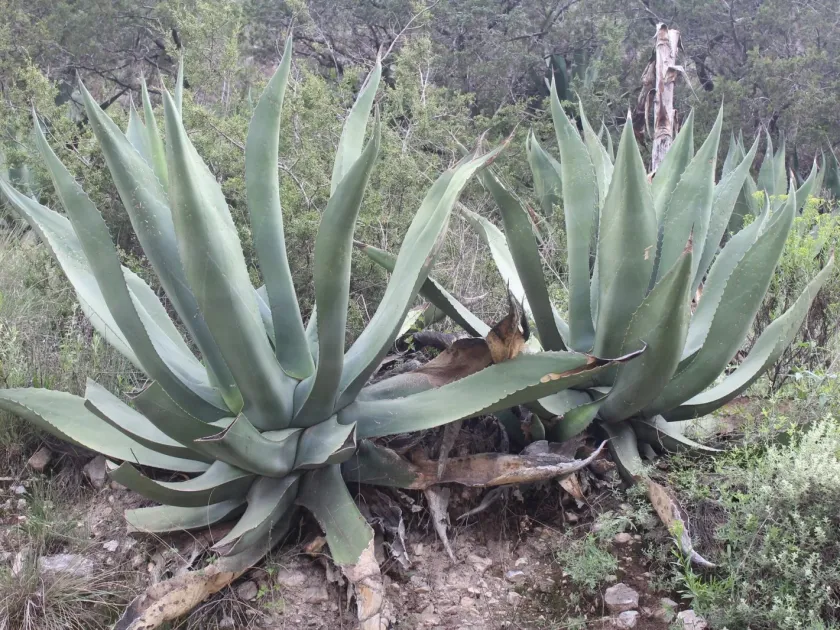
Description
Sowing dates
Agave salmiana is typically propagated through vegetative offsets, known as pups, which naturally develop at the base of the parent plant. This method ensures that the offspring remain genetically identical to the parent.
The ideal time for transplanting these offsets is at the beginning of the rainy season. This timing ensures that the young plants receive sufficient moisture to establish a robust root system before the dry period begins.
When establishing a new plantation, growers use a spacing of 2 to 3 meters between individual plants. This spatial arrangement is crucial for allowing the massive rosettes to mature without competing for light or air circulation.
While seed propagation is biologically possible, it is rarely used in commercial farming due to the significantly longer time required for the plant to reach maturity. Vegetative propagation remains the industry standard.
Proper field preparation, including clearing weeds and ensuring good drainage, is essential for the young plants to survive the initial growth stage. Consistent monitoring during the first few months ensures higher survival rates.
Growing requirements
Agave salmiana, a member of the Asparagaceae family, is a succulent species native to the arid highlands of Mexico. It is highly adapted to semi-desert environments with significant temperature fluctuations.
The plant thrives in well-drained, stony, or sandy soils. Excellent drainage is vital because saturated soil can lead to root rot, which is one of the most common causes of plant mortality in agave fields.
Abundant sunlight is a non-negotiable requirement for Agave salmiana. The plant requires full solar exposure to produce the high concentrations of sugars in its core that make it economically valuable for processing.
This species is highly drought-tolerant, which makes it an excellent candidate for regions with scarce water resources. It manages metabolic processes efficiently, even under conditions of prolonged water deficiency.
Optimal growth temperatures generally range between 15°C and 28°C. While the plant can tolerate light frost once established, prolonged extreme cold or excessive humidity can negatively impact overall development and sugar content.
Yield
The yield of Agave salmiana is measured primarily by the weight of the central core, or "piña". A single mature plant can weigh between 50 and 100+ kilograms, depending on age and growing conditions.
Commercial maturity is typically reached between 7 and 10 years. Timing the harvest is a precise art; the plant must be harvested just before it initiates its massive flowering stalk to prevent the depletion of sugars.
Productivity is highly correlated with the sugar content of the sap. Farmers perform regular inspections to evaluate the maturity of the fields, looking for visual markers that signify the plant's peak sugar concentration.
Effective plantation management, including weed control and strategic planting, can significantly increase total biomass yield. Healthy, well-spaced plants produce larger and more profitable cores.
Technological improvements in agriculture have allowed farmers to better predict the harvest timeline, ensuring that a steady supply of raw material is available for the beverage and fiber industries throughout the year.
Main diseases and pests
The agave weevil represents the most significant pest threat to plantations. The larvae bore into the core of the plant, causing rapid decay and often resulting in the complete loss of the individual plant.
Fungal pathogens pose a major risk if soil drainage is compromised. These infections usually manifest as tissue rot, leading to yellowing of leaves and structural failure of the plant's base.
Integrated Pest Management (IPM) is the preferred approach, combining regular field patrols with bio-control methods. Chemical interventions are used sparingly to maintain the ecological balance of the plantation.
Mechanical damage caused by poorly managed weeding or maintenance tools can create entry points for pathogens. Maintaining clean, sharp tools and training labor in careful handling is essential for long-term health.
Proactive monitoring for symptoms of disease or pest infestation is crucial. Isolating and removing infected plants early can prevent the spread of localized outbreaks across the rest of the field.
Harvesting
Harvesting is a manual process performed by skilled workers. Using a specialized tool called a "coa," laborers carefully remove the thick, sharp leaves from the core until only the piña remains.
This process is known as "jima". The skill of the harvester is critical; if too much of the leaf base is left on the piña, it can introduce bitter flavors to the final processed product.
Once harvested, the piñas must be transported to processing facilities as quickly as possible. Rapid transport prevents oxidation and the onset of fermentation, preserving the quality of the sap.
The leftover leaf material is not discarded. It is a valuable source of natural fiber, which is processed for various industrial uses, including textiles, rope-making, and sustainable packaging materials.
Successful harvest logistics ensure that the industrial production cycle remains uninterrupted. Efficiency in gathering the piñas and organizing their transport is key to the economic sustainability of agave farming.