
Pterolobium stellatum
Pterolobium stellatum
Description
Growing requirements
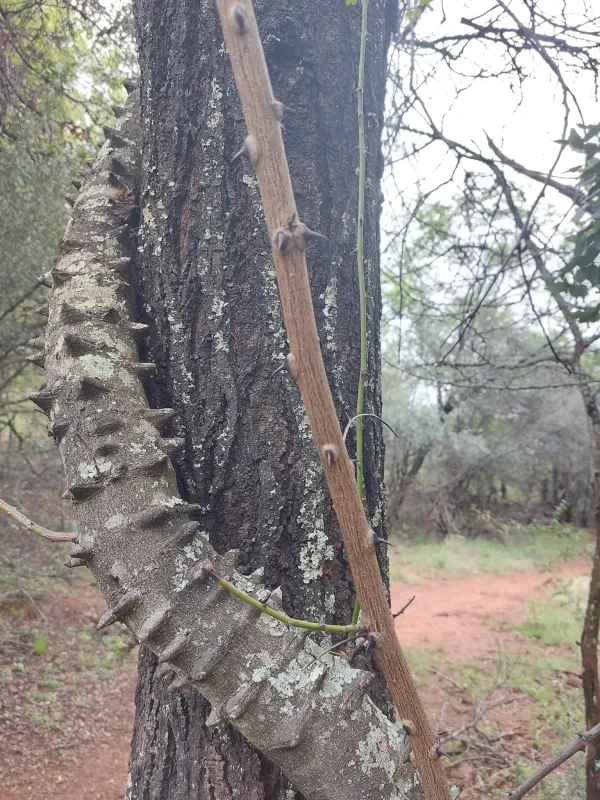
Pterolobium stellatum is a perennial woody shrub or small tree belonging to the Fabaceae family. It is recognized for its climbing habit and often prickly stems, which allow it to form dense, impenetrable thickets in various habitats.
The species is native to tropical regions across Africa and Asia. It thrives in diverse environments, ranging from mountainous forest edges to savannah landscapes, showing a strong adaptation to varying light intensity and seasonal moisture patterns common in these zones.
Regarding soil requirements, the plant prefers well-drained substrates. While it shows some tolerance to different soil types, the lack of waterlogging is critical for its health. Good aeration of the root zone significantly enhances the growth rate of young plants.
Climate conditions for Pterolobium stellatum should be predominantly warm. As a tropical plant, it is not tolerant of frost, and consistent warmth is essential for the vegetative cycle to remain active. It demonstrates impressive resilience to dry spells once fully established.
Agricultural and landscape use includes planting for erosion control and as effective natural fencing. As a member of the Fabaceae family, it contributes to soil health through nitrogen fixation, making it a valuable candidate for land restoration projects.
Main diseases and pests
Common threats to this culture involve fungal pathogens that affect foliage during high humidity periods. Adequate spacing and proper ventilation between individual plants are recommended to minimize the development of mildew and other moisture-related fungi.
Insect pests, such as aphids or borers, can occasionally infest the stems or foliage. Regular monitoring of the plant's health allows for early detection and intervention, ensuring that the development of the shrub remains vigorous and undisturbed by pest damage.