
Candlewood
Pterocelastrus tricuspidatus
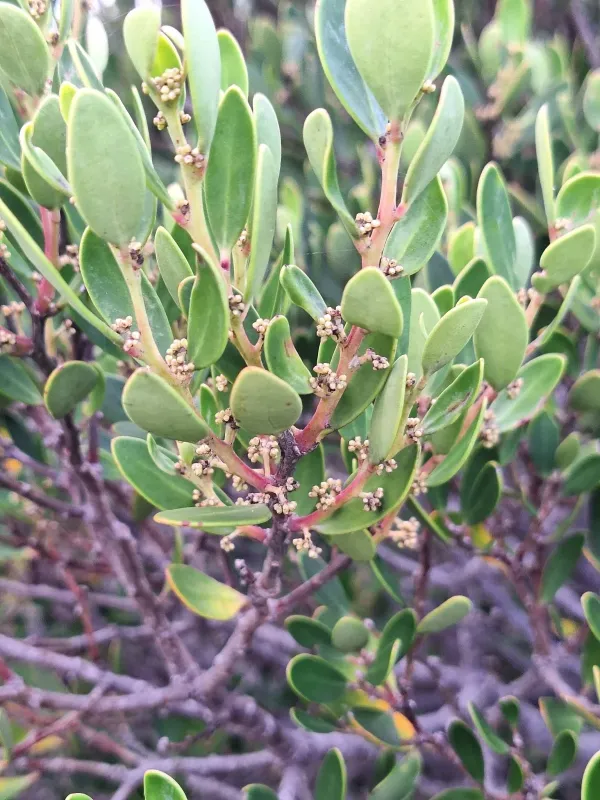
Description
Growing requirements
Candlewood, botanically known as Pterocelastrus tricuspidatus, is an evergreen tree or shrub belonging to the Celastraceae family. It is a robust plant species known for its hardiness and ability to thrive in coastal and forest environments.
The native range of this species is primarily South Africa. It is well-adapted to a variety of environmental conditions, including sandy soils and rocky hillsides, where it plays an important role in stabilizing soil structures and providing shelter.
Regarding climatic requirements, the plant prefers warm, temperate conditions. It is remarkably tolerant of saline air, making it an excellent candidate for coastal afforestation projects and windbreak installations in exposed regions.
Soil requirements involve good drainage to ensure root health. While the tree can tolerate nutrient-poor soils, it thrives best when provided with consistent moisture during its early establishment phase and moderate light exposure.
The horticultural management of Pterocelastrus tricuspidatus includes regular pruning to maintain desired shape and size. Its wood, which is known for its high durability and density, has been historically valued for furniture making and tool handles.
Main diseases and pests
Common pests affecting Candlewood include scale insects, which can congregate on twigs and leaves. If left untreated, these pests may lead to significant sap loss, causing yellowing and stunted growth of young tree specimens.
Fungal diseases, often manifesting as leaf spots, can occur when plants are placed in areas with poor ventilation or consistently high humidity. Proper spacing between trees is essential to maintain airflow and minimize infection risks.
Root rot is typically associated with poor soil drainage. Ensuring that the planting site has adequate percolation is the most effective preventative measure against these soil-borne pathogens that target the root system.
Leaf-eating larvae may occasionally cause aesthetic damage to the foliage. While these infestations are rarely lethal, monitoring is advised during the peak growing season to determine if biological controls or minor intervention are necessary.
The overall resilience of Pterocelastrus tricuspidatus is quite high due to its evolutionary adaptation to the harsh environmental pressures of the South African landscape, making it a relatively low-maintenance species in managed forests.