
Pterocelastrus echinatus
Pterocelastrus echinatus
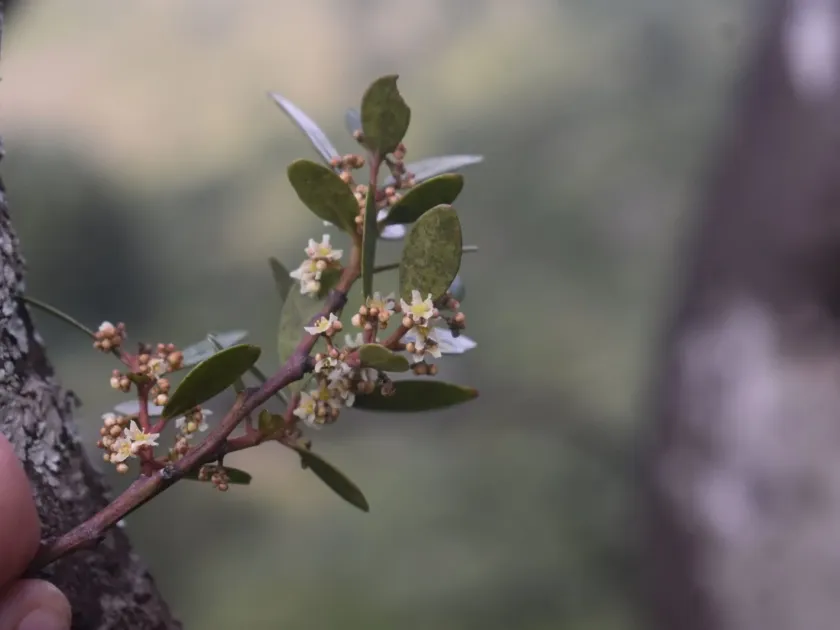
Description
Growing requirements
Pterocelastrus echinatus belongs to the Celastraceae family and is native to the coastal forests and mountainous regions of South Africa. It is a slow-growing evergreen shrub or tree known for its resilience within its natural habitat.
The plant requires well-drained, fertile soil to thrive. It performs best in neutral to slightly acidic soil conditions and is sensitive to waterlogging, which can cause significant stress to the root system and inhibit overall development.
Climate requirements include mild temperatures, as the species is not frost-hardy. In cultivation, it is best suited for subtropical regions or protected greenhouses, where temperatures can be maintained consistently above freezing levels.
Botanically, it is distinguished by its spiny, protective features which serve as a natural defense mechanism. The foliage remains green throughout the year, and the structure of the branches makes it a unique candidate for dense hedge plantings in suitable climates.
Economically, Pterocelastrus echinatus is recognized for its dense, high-quality timber. Historically, it has been used in artisanal woodwork, and it continues to play a role in conservation efforts aimed at rehabilitating native forest ecosystems.
Main diseases and pests
Root rot, caused by various soil-borne fungi, remains the primary threat to this species, usually triggered by improper watering practices or poor soil drainage.
Pests such as scale insects and spider mites may infest the plant, particularly in sheltered or indoor environments where natural predators are absent.
To prevent disease outbreaks, it is crucial to ensure adequate airflow around the canopy and maintain a balanced irrigation schedule that prevents both extremes of moisture.
Monitoring the undersides of leaves is recommended to detect early signs of pest activity, which is essential for preserving the aesthetic quality of the plant.
Sanitation practices, such as removing fallen leaves and pruning dead wood, significantly reduce the likelihood of spreading fungal pathogens within the plant collection.