
Pteranthus dichotomus
Pteranthus dichotomus
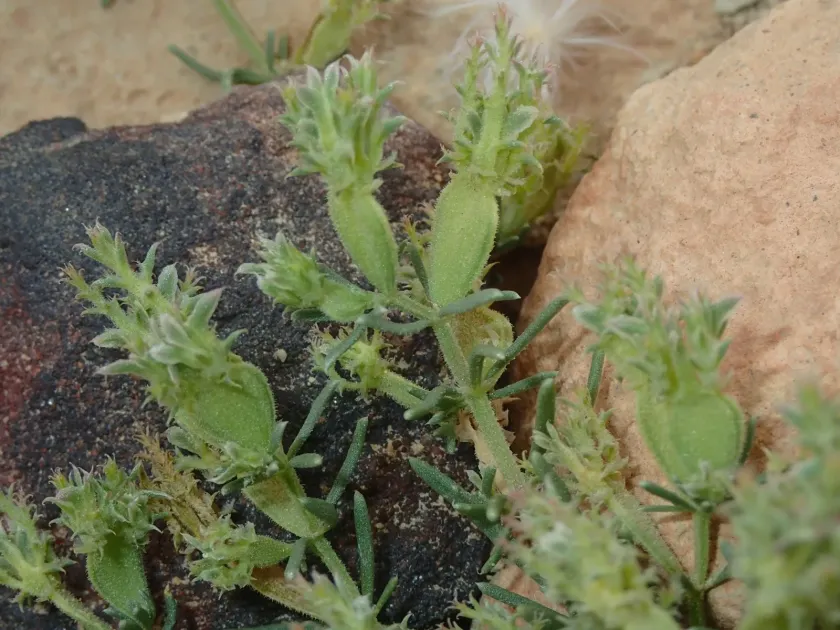
Description
Sowing dates
Pteranthus dichotomus is an ephemeral plant, meaning its sowing window is strictly determined by the onset of seasonal rainfall in arid regions. Precise timing is crucial to ensure that germination coincides with the moisture peak.
Seeds are small and possess limited energy reserves, requiring shallow sowing depths. A depth of no more than 0.5 centimeters is recommended to allow the emerging sprout to reach the surface without exhaustion.
Minimal soil disturbance during planting helps maintain natural soil structure, which is vital for the development of the root system in sandy, aerated environments. Over-tillage can lead to soil compaction and reduced germination rates.
Uniform seed distribution is necessary due to the plant's short lifecycle. Any delay in establishing the crop can lead to reduced plant biomass and poor reproductive success as temperatures rise.
Post-sowing irrigation may be required in some experimental settings if natural rainfall is inconsistent. Ensuring soil moisture for the first two weeks of growth is the most critical factor for successful establishment.
Growing requirements
Belonging to the Caryophyllaceae family, Pteranthus dichotomus is a highly adapted species native to desert and semi-arid environments. It has evolved to thrive under conditions of intense heat and severe water deficit.
The plant performs best in well-drained, sandy, or rocky soils. It is extremely sensitive to waterlogging, which disrupts root respiration and encourages fungal growth, making proper drainage the primary site requirement.
This species is an obligate heliophyte, requiring full sunlight to complete its lifecycle effectively. Even partial shading during the vegetation period results in etiolated growth and significantly reduced seed production.
Pteranthus dichotomus is tolerant of high soil salinity and can adapt to marginal, nutrient-poor substrates where conventional crops fail. This robustness makes it a potential candidate for land reclamation projects.
Optimal growth occurs at temperatures ranging between 15°C and 22°C. While the plant can survive higher temperatures, it triggers early flowering and senescence, marking the end of its active biological phase.
Main diseases and pests
Because of its short, desert-adapted lifecycle, this plant is generally free from major agricultural pests and diseases. Root rot is the only common issue, occurring almost exclusively in conditions of excessive soil moisture.
Locusts and grasshoppers represent the most significant biological threat to the foliage during the active growth stage. In endemic regions, swarms can pose a risk of total crop loss if monitoring is neglected.
Nematode buildup can occur if the same plots are used for monoculture over multiple seasons. Implementing a crop rotation scheme involving non-related plant families is the best practice to avoid soil pathogen accumulation.
Invasive weeds pose a significant threat during the early seedling stage. Given the relatively slow initial growth of Pteranthus dichotomus, competition for light and soil moisture must be managed strictly.
Overall, the plant demonstrates high resilience to stressors. Phytosanitary measures are usually limited to selecting well-draining fields and maintaining appropriate distance from known pest hotspots.