
Pteleocarpa lamponga
Pteleocarpa lamponga
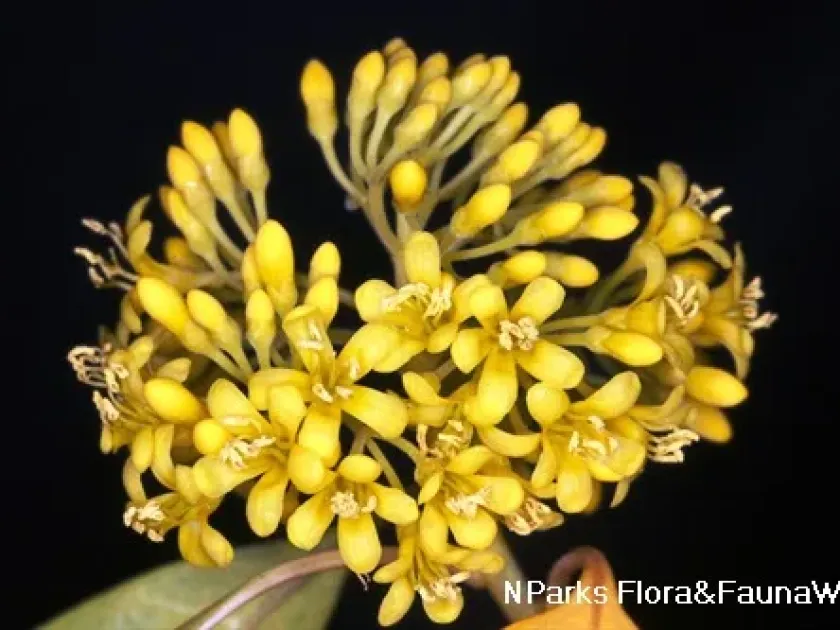
Description
Growing requirements
Pteleocarpa lamponga is an evergreen tree species belonging to the Gelsemiaceae family. It is a distinctive tropical plant recognized for its unique morphological adaptations that allow it to thrive within the dense forest ecosystems of the Southeast Asian region.
The native distribution of this species spans the Malay Peninsula, Sumatra, and Borneo. It typically occupies lowland tropical rainforests, where it contributes to the canopy structure and serves as a vital component of the local forest biodiversity.
Botanically, the species is best known for its samaroid fruits, which possess wing-like structures that enable efficient seed dispersal by wind currents. The leaves are typically coriaceous, an adaptation to manage water loss effectively in the hot and humid tropical climate.
In terms of growth requirements, Pteleocarpa lamponga demands consistent high humidity and stable tropical temperatures. It performs best in nutrient-rich, well-draining soils that support deep root development while ensuring that the root system is protected from waterlogging.
The agricultural and economic utility of the tree is largely localized, with the wood occasionally harvested for traditional construction and craft purposes. Due to its status in natural forest remnants, its primary value lies in its ecological contribution to forest conservation efforts in its native range.