
Pseudowintera axillaris
Pseudowintera axillaris
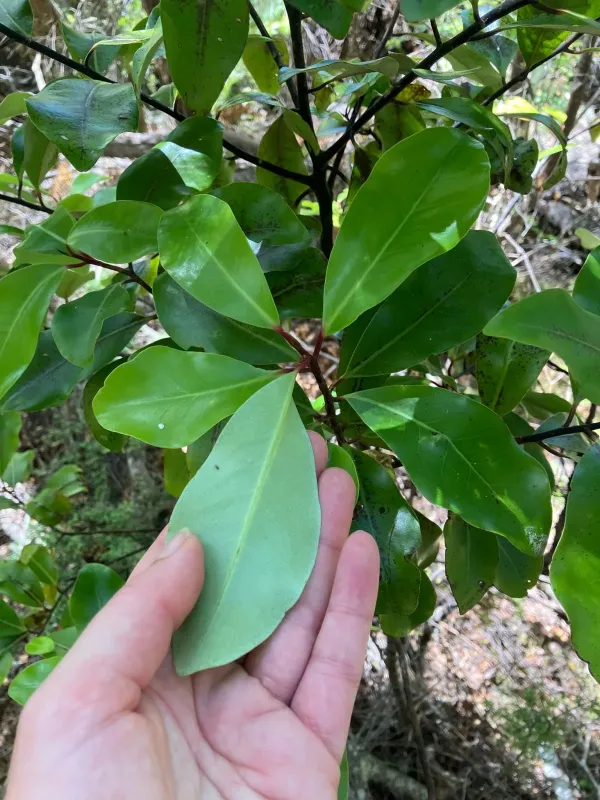
Description
Sowing dates
Propagation of Pseudowintera axillaris is typically performed through seeds or semi-hardwood cuttings under controlled nursery conditions. Seeds require a period of cold stratification to overcome physiological dormancy before successful germination can occur.
The ideal time for sowing in protected conditions is early spring, which allows seedlings to establish robust growth before the main vegetative season. Seeds should be placed in a light, peat-based medium with excellent drainage properties.
Cuttings are best taken in late summer, selecting semi-hardwood stems from the current year's growth. Maintaining high humidity and stable temperatures between 18–22 degrees Celsius is crucial for successful rooting.
Young plants exhibit a relatively slow growth rate, necessitating protection from direct solar radiation during the early stages of establishment. Transplanting to the field should be delayed until the root system has fully colonized the container.
Planting density in agricultural settings must account for the mature habit of the plant, which can grow several meters high, ensuring adequate spacing to prevent crown congestion and promote airflow.
Growing requirements
Pseudowintera axillaris, a member of the Winteraceae family, is endemic to New Zealand and has specific environmental requirements. It thrives best in sheltered locations protected from strong winds with dappled or filtered light.
Soils must be moisture-retentive, rich in organic matter, and possess superior drainage capabilities. An acidic to neutral soil pH is optimal to ensure consistent nutrient availability for the plant.
As a forest understory plant in its natural habitat, it is highly sensitive to intense midday sun and soil desiccation. Consistent irrigation via overhead misting is essential during periods of low rainfall.
This species possesses moderate frost tolerance and requires protection during extreme cold events. Continuous air circulation is a critical management factor to prevent the onset of fungal pathogens.
To maintain plant health and suppress weeds, mulching around the root zone with coniferous bark is highly recommended. This practice helps preserve soil moisture and provides a stable rhizosphere environment.
Main diseases and pests
The primary threat to this culture involves fungal infections that develop due to waterlogged soil conditions. Root rot is a common and aggressive pathology that can quickly compromise the entire plant structure.
In closed environments, the plant may be susceptible to aphid infestations and spider mite outbreaks. Regular inspection of the abaxial leaf surface is necessary for early detection and mitigation of pest pressure.
Leaf spot diseases often emerge as a result of poor ventilation and high humidity. Management strategies include the surgical removal of infected tissue followed by the application of broad-spectrum fungicides.
To prevent the spread of diseases, strict adherence to irrigation protocols is required, avoiding overhead watering during evening hours. All pruning equipment must be sterilized between plants to prevent cross-contamination.
Natural pest resistance is strongly linked to the overall vitality of the plant and balanced mineral nutrition. Incorporating micronutrient-rich fertilizers enhances the plant's inherent defense mechanisms against environmental stressors.