
Pseudotaxus chienii
Pseudotaxus chienii
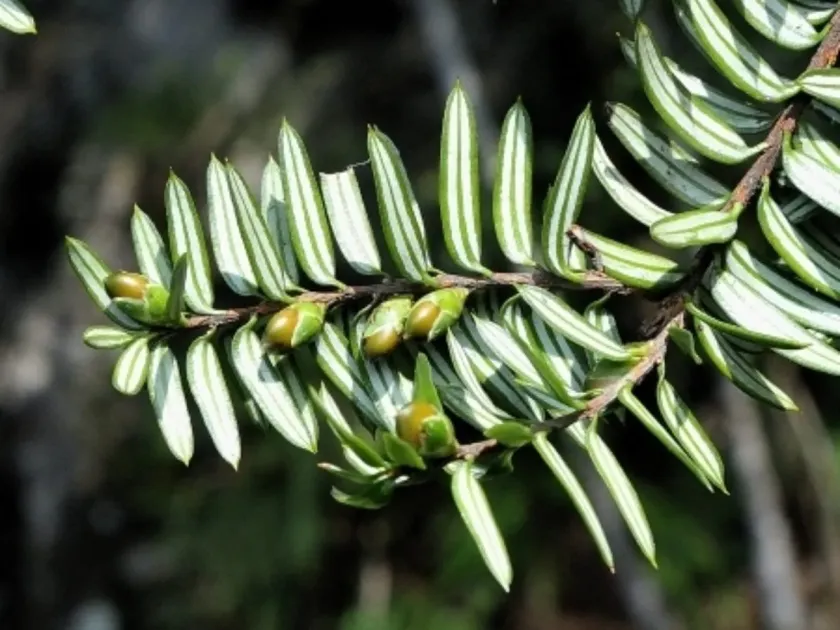
Description
Growing requirements
Pseudotaxus chienii is a rare species of conifer belonging to the Taxaceae family, native to the mountainous forests of Southern China. It is highly valued for its unique botanical features and represents a significant focus for conservation efforts.
The plant thrives in humid subtropical conditions, preferring protected environments where it is shielded from harsh direct sunlight. In a cultivation setting, providing light shade is crucial for maintaining the plant's health and appearance.
Soil requirements for Pseudotaxus chienii include deep, well-draining substrates rich in organic matter. The soil should be slightly acidic to neutral, and ensuring excellent drainage is vital to prevent root rot, as the species is sensitive to waterlogged conditions.
Agrotechnical practices involve regular moisture management. During the growing season, irrigation should be consistent but not excessive. Mulching is highly recommended to regulate soil temperature and retain moisture around the root zone.
In terms of хозяйственного usage, this species is primarily utilized in botanical gardens and specialized collections. Its slow growth rate and environmental requirements make it an exclusive plant for collectors and conservation projects.
Main diseases and pests
Pathogenic fungi represent the primary threat to Pseudotaxus chienii when grown in nursery conditions. High humidity coupled with inadequate ventilation significantly increases the risk of root and stem decay diseases.
Insect pests such as scale insects can infest the foliage, leading to premature needle drop and decreased plant vigor. Integrated pest management strategies are recommended to mitigate these risks without causing chemical stress to the plant.
Environmental stress, such as extreme heat or cold, poses a significant threat to young plants that have not yet fully established their root systems. Seasonal protective measures are often required to ensure survival through extreme weather events.
Nutrient imbalances, particularly high salinity or nitrogen toxicity, can lead to severe chlorosis or leaf burn. It is essential to use fertilizers specifically formulated for slow-growing conifers, applied in moderate amounts.
The conservation status of the species necessitates careful monitoring for any signs of decay or pathogen infestation. Implementing strict sanitary practices, such as removing infected needles and branches, is key to maintaining long-term vitality.