
Pseudospondias microcarpa
Pseudospondias microcarpa
Description
Growing requirements
Pseudospondias microcarpa is a notable member of the Anacardiaceae family. This evergreen tree is native to the tropical forests of Africa, frequently flourishing near riparian habitats and in wetland environments where moisture levels remain consistently high throughout the year.
The tree requires a humid tropical climate to reach its full development. It grows best in deep, fertile soils that offer excellent drainage, although it displays a remarkable ability to survive in seasonally waterlogged ground compared to many other fruit-bearing species.
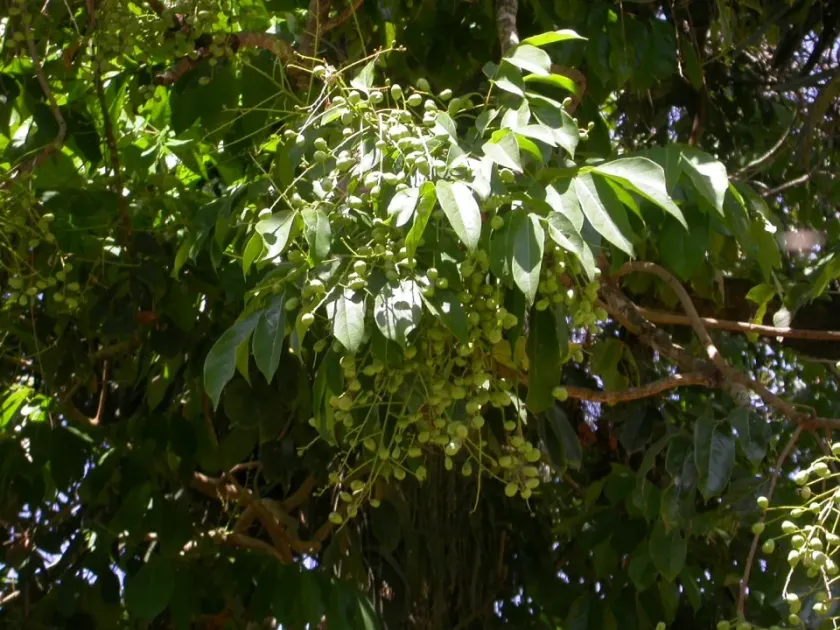
Botanically, it is characterized by pinnate leaves and numerous small, drupaceous fruits that develop in dense clusters. The tree often grows to significant heights, acting as a vital component of the forest canopy, providing essential shade and shelter for diverse wildlife species.
Agricultural management primarily focuses on selecting suitable sites with protection from strong winds. While it is often harvested from the wild, cultivated specimens benefit from periodic pruning of lower branches to encourage better light penetration and fruit quality on the higher branches.
The plant is highly valued for its socio-economic contributions. Its fruits serve as a food source, while the timber is utilized for construction and crafting. Additionally, various parts of the tree are harvested for traditional medicinal applications, including decoctions for treating various ailments.
Main diseases and pests
Common health issues include fungal root rot triggered by improper drainage in heavy clay soils. Ensuring proper aeration around the base of the trunk is crucial to maintaining tree health and preventing the onset of soil-borne pathogens that can lead to rapid decline.
Insect pests include various larvae that target leaves or developing fruits. In sustainable agroforestry, biological control methods are typically sufficient to manage these populations, as the tree’s inherent resilience usually allows it to recover from minor infestations without chemical intervention.