
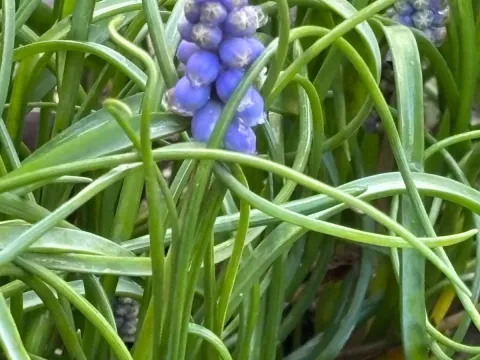
Pseudomuscari
Pseudomuscari
Planting Pseudomuscari bulbs is typically performed in the autumn season, specifically between September and October for best results.
What the section contains

Pseudomuscari
Timing the planting is crucial to ensure that the root system develops sufficiently before the arrival of the first heavy frost.
Spring planting is possible but often results in a weaker display, as the bulbs require a cool dormancy period for proper growth.
The planting depth should be approximately 6 to 10 centimeters, adjusted based on the size of the bulb and soil texture.
Maintaining a spacing of 8 to 12 centimeters between bulbs is recommended to allow adequate room for natural multiplication.
Pseudomuscari plants flourish in sunny locations but can also tolerate light shade provided by deciduous trees or shrubs.
Well-drained, fertile soil with a loose structure is essential to prevent water accumulation around the delicate bulb tissues.
The species is highly adaptable to various climatic conditions and exhibits excellent winter hardiness across many temperate regions.
Adequate moisture is required during the active spring growth phase, but the soil should never become waterlogged or stagnant.
Proper site preparation, including the incorporation of organic matter, helps in achieving robust and vibrant floral displays.
Fungal diseases, particularly those related to bulb rot and fusarium, are the most significant threats to the health of Pseudomuscari.
Poor soil drainage is the primary cause of infection, leading to rapid decay of the bulbs during their period of dormancy.
Various bulb mites and larvae can also cause damage to the roots, potentially weakening the plant and increasing susceptibility to rot.
Implementing preventive measures, such as using fungicide treatments on bulbs, is a standard practice in professional cultivation.
Regular inspection of the growing area helps identify early signs of infestation and prevents the spread of pathogens to healthy plants.
Harvesting or dividing the bulb clumps is best done in the summer, once the foliage has turned yellow and died back completely.
Carefully excavated bulbs should be cleaned, inspected for damage, and allowed to dry in a shaded, well-ventilated area.
Storage should take place in a cool, dry environment to maintain the viability of the bulbs until the next planting season.
Periodic division every few years is highly recommended to prevent overcrowding and ensure that the plants continue to bloom vigorously.
While seed propagation is possible, vegetative multiplication is the preferred method for maintaining the desired ornamental traits.