
Chinese quince
Pseudocydonia sinensis
Description
Growing requirements
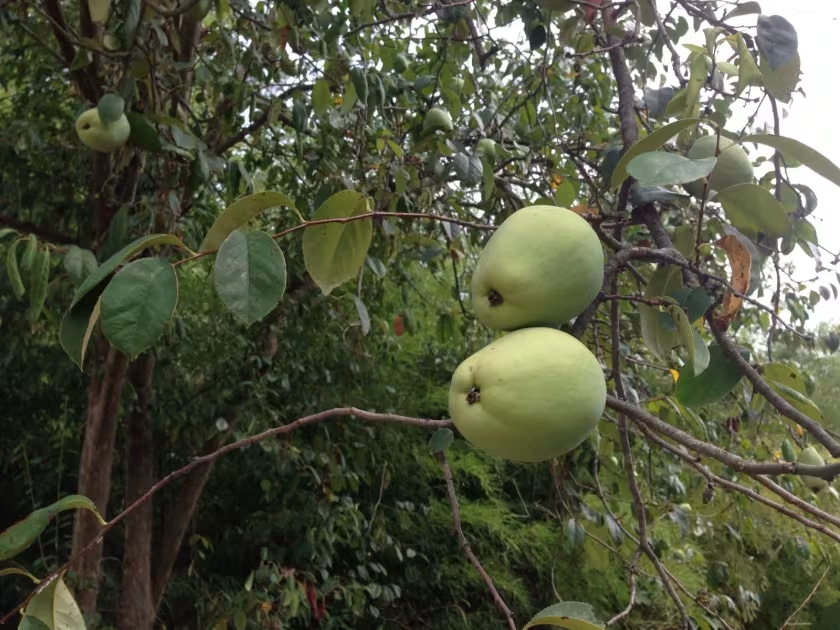
The Chinese quince (Pseudocydonia sinensis) is a deciduous tree belonging to the Rosaceae family, highly prized for both its ornamental appeal and its large, fragrant, medicinal fruits. It is characterized by a distinctive, exfoliating bark that peels off in plates.
Originally native to China, this species thrives in temperate climates. It prefers sunny, sheltered positions where it can be protected from harsh winter winds, which can otherwise damage the delicate young vegetative growth.
Ideal soil conditions for this tree include deep, fertile, and well-drained loams. It does not tolerate waterlogged ground, which can lead to root rot; therefore, selecting a site with proper drainage is essential for long-term survival.
Regarding its agricultural requirements, consistent moisture is necessary during the establishment phase. Pruning should be performed during the dormant season to maintain an open canopy structure, which ensures better sunlight penetration and air circulation.
The culinary and medicinal uses of the fruit are diverse, ranging from traditional tea infusions for respiratory health to the production of high-pectin jellies and syrups, making it a valuable crop for sustainable home orchards.
Main diseases and pests
Chinese quince is susceptible to various fungal diseases, with brown rot (monilinia) being the most common concern. Ensuring the canopy is not too dense is a primary preventive measure against fungal pathogens in humid conditions.
Insect pests, including aphids and leafrollers, can affect foliage quality. Using horticultural oils or integrated pest management strategies helps to manage these populations without disrupting the ecological balance of the orchard.
Scale insects may occasionally hide under the loose, peeling bark of the trunk, necessitating occasional visual inspections and targeted cleaning of the stem during winter pruning if infestations are detected.
Fruit damage by codling moth larvae can be mitigated by hanging pheromone traps and cleaning up all fallen fruit immediately. This simple sanitation practice is vital to reducing the local population of pests for the following year.
To keep the tree resilient, provide adequate fertilization balanced with organic matter, as healthy, vigorous trees are far less likely to be overwhelmed by opportunistic diseases and insect pressures.
Harvesting
Harvesting usually takes place in late autumn, once the fruits have transitioned from green to a vivid, aromatic yellow. Timing is critical, as they must be collected before the first heavy frost to maintain optimal flesh quality.
The fruits should be picked by hand. Because they are exceptionally hard, they must be handled with care to prevent bruising, even though the skin is relatively durable, as any break in the skin will significantly reduce storage life.
Post-harvest conditioning involves storing the fruits in a cool, well-ventilated area. This allows the fruit to mellow and develop a deeper flavor profile, as the high tannin content gradually stabilizes over several weeks.
For long-term storage, keep the fruits in a cool, dry environment at temperatures around 5°C. When stored properly in vented containers, they can remain in good condition well into the mid-winter months.
Always remove any damaged or over-ripe fruit from the batch, as one rotting fruit can quickly compromise the entire storage crate. Keeping the storage environment clean and hygienic is essential for maximum shelf life.