
Mountain cherry
Prunus monticola
Description
Growing requirements
Mountain cherry (Prunus monticola) is a member of the Rosaceae family, naturally adapted to the mountain ranges of East Asia. This woody perennial is recognized for its hardiness and serves as a valuable specimen for both ornamental and horticultural purposes.
The plant thrives in well-drained, fertile soil with a neutral to slightly acidic pH balance. It prefers sunny, open locations where it can fully develop its canopy and reach its maximum potential for fruit production in a climate that mimics its native habitat.
Proper soil aeration is crucial for the mountain cherry, as it is susceptible to root stress in heavy or waterlogged clay soils. Gardeners should incorporate organic matter into the planting site to improve structure and moisture retention capabilities.
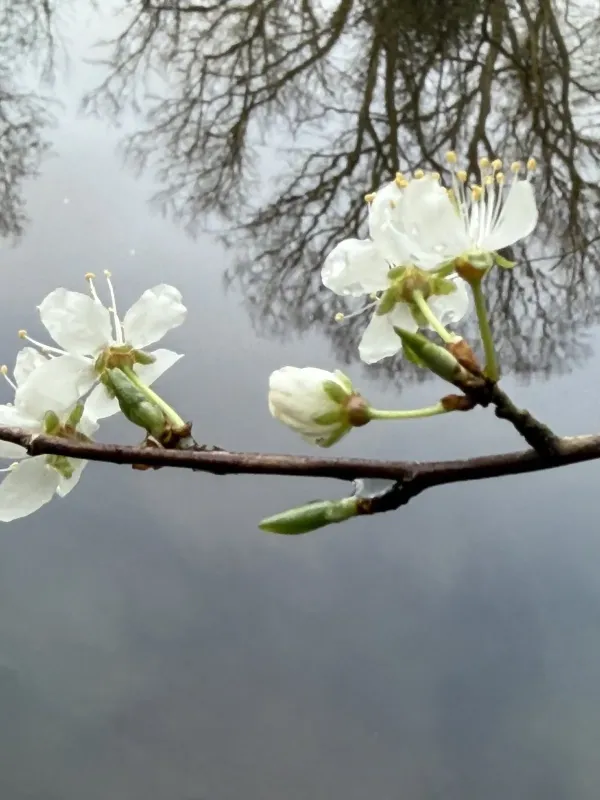
Botanically, the species is characterized by small leaves and delicate flowers that appear early in the season. Its growth habit is often shrub-like or small-tree-like, making it highly suitable for managed landscapes and small orchard plots.
Routine maintenance includes balancing nutrient levels through seasonal fertilization and performing precision pruning to remove dead or overlapping branches. This ensures that the plant remains healthy, productive, and resistant to environmental stress.
Main diseases and pests
The mountain cherry is prone to common stone fruit diseases, including brown rot and shot hole fungus. Managing humidity levels through proper spacing and pruning is an effective way to inhibit the spread of these fungal pathogens within the canopy.
Insect pests, such as aphids and cherry fruit flies, can significantly impact crop quality if left unmonitored. Implementing an integrated pest management strategy helps to control populations without harming beneficial pollinating insects.
Bark damage caused by rodents or environmental factors can lead to secondary infections, making it necessary to provide trunk protection during the dormant winter months. Maintaining clean hygiene around the base of the tree is equally important.
Root rot is a significant risk in poorly drained sites, potentially leading to tree decline. Ensuring that the soil structure is loose and well-aerated is the primary defense against such soil-borne health issues for this species.
Consistent observation of leaf development throughout the growth phase allows for early detection of pests or diseases. Applying preventative treatments during the dormant phase can significantly reduce the pressure of threats during the active growing season.