
Proboscidea louisianica
Proboscidea louisianica (Mill.) Thell. subsp. louisianica
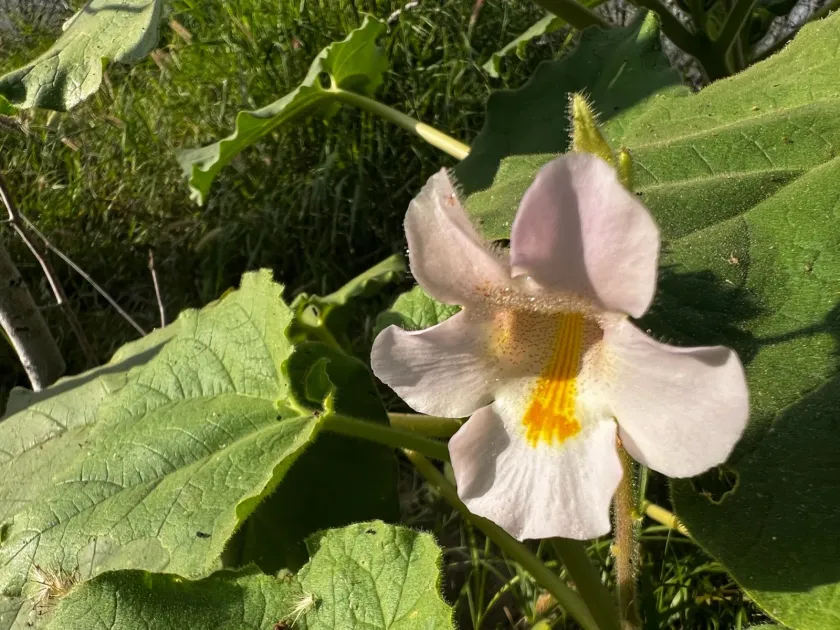
Description
Sowing dates
Proboscidea louisianica, commonly known as the devil's claw, is a warm-season annual plant in the Martyniaceae family that is typically established via direct seeding.
Sowing should only occur when all risks of frost have passed and soil temperatures have consistently risen above 15 degrees Celsius for optimal germination.
In temperate climates, late May is the ideal time to sow seeds directly into the field to ensure steady growth without the setback of cold snaps.
Seeds should be planted at a depth of 2–3 centimeters, allowing for ample space between plants due to their spreading habit and significant root development.
For gardeners looking for an extended harvest period, starting plants indoors in individual pots 4 weeks before the frost-free date is a viable strategy.
Growing requirements
This crop thrives in full sun and requires a well-drained, fertile soil, ideally sandy loam, to support its rapid vegetative growth throughout the season.
Consistent moisture is necessary during the early stages of establishment, although the plant displays remarkable tolerance to dry conditions once matured.
Proper airflow is essential for the health of the plant, so planting density should be carefully managed to prevent excessive humidity around the foliage.
Nutrient requirements are moderate, but organic compost or balanced fertilizers can significantly enhance the yield of young, edible pods.
Weed control is a crucial component of the maintenance routine as the plant performs poorly when competing for nutrients and space with aggressive weeds.
Yield
The primary economic output consists of immature, tender pods which are prized for their unique flavor and texture in various culinary applications.
If harvested frequently, the plant will continue to produce new blossoms and pods, maximizing the yield potential during the warm summer months.
Crop management practices that include regular scouting and maintenance of soil health contribute to consistent production of high-quality vegetable pods.
Beyond culinary uses, some varieties are cultivated for their ornamental seed pods, which are highly valued in crafts and decorative arrangements.
Total yield is highly dependent on the length of the frost-free growing season and the overall heat units accumulated by the plants during their lifecycle.
Main diseases and pests
Young seedlings are particularly vulnerable to soil-borne pests such as wireworms and cutworms, which can cause significant stand loss in early spring.
Aphids often colonize the tender tips of the plants, requiring monitoring and timely intervention to prevent stunting of the growth and viral transmission.
Powdery mildew may occur if the plants are grown in areas with poor ventilation or during seasons characterized by high humidity and fluctuating temperatures.
Spider mites are common in hot, arid regions and can cause leaf yellowing and premature senescence if moisture stress is also present in the soil.
Implementing a proper crop rotation system is highly recommended to break the life cycles of common pathogens and soil pests affecting this crop.
Harvesting
Harvesting should be performed when the pods are young and soft, typically about 5–10 centimeters long, before the fibers become woody and inedible.
Regular harvesting every few days is necessary to ensure the continuous production of fresh, high-quality pods throughout the harvest window.
For seed production purposes, pods should remain on the vine until they turn brown and begin to split, signaling full maturity of the internal seeds.
Post-harvest handling involves gentle cleaning and immediate storage in cool conditions to prevent dehydration and maintain the shelf-life of the fresh pods.
The unique, claw-like dried pods are harvested after the plant has completely died back and are processed by carefully cleaning and drying them for decorative use.