
Prionium serratum
Prionium serratum
Description
Growing requirements
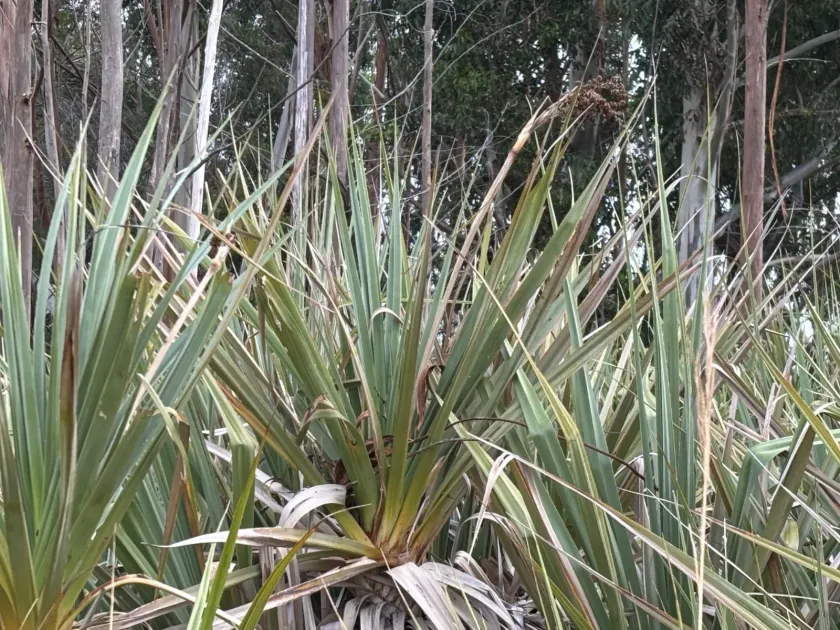
Prionium serratum is a distinct perennial plant belonging to the Prioniaceae family. Often referred to by its characteristic saw-edged leaves, this species is a semi-woody plant that occupies a specific niche within wetland ecosystems in its native South Africa.
The plant originates from the southern regions of the African continent. Its natural habitat includes riverbanks, wetlands, and water-logged areas where it thrives due to the constant presence of water and high moisture availability in the soil profile.
Growing Prionium requires strict adherence to environmental conditions. It is a highly water-dependent species that thrives in hydric soils. Establishing successful plantations requires choosing sites with constant water flow or high water tables to ensure proper plant development.
Botanically, the plant is characterized by rigid, serrated leaves that form a dense, stem-like structure. Its root system is exceptionally robust, serving as a soil stabilizer and allowing the plant to resist the physical stress of fast-flowing water in natural habitats.
The primary economic use of Prionium serratum is the extraction of durable fibers from its leaves. This natural fiber has been historically valued for its incredible strength, making it ideal for the production of baskets, mats, ropes, and various handicrafts.
Main diseases and pests
The main threat to the viability of Prionium serratum populations is the alteration of natural water systems. Dredging or drying out wetlands directly destroys the primary environment required for the plant to successfully complete its life cycle.
Fungal pathogens represent a significant risk, especially in stagnant water conditions. When aeration is low, the base of the plant can suffer from decay, which necessitates careful management of the water flow rate to ensure the health of the crop.
Pests such as certain leaf-eating insects can affect the quality of the raw material. Integrated pest management practices are essential, focusing on maintaining natural biodiversity to suppress the population of harmful insects within the cultivation site.
Pollution of aquatic ecosystems poses a serious threat to the chemical composition of the plant tissues. Because the plant absorbs nutrients from the water, any chemical contamination can lead to reduced fiber quality and overall plant stress.
Maintenance of the cultivation area is crucial to prevent the spread of diseases. Thinning out overgrown areas and ensuring that the water quality remains high are the most effective ways to promote vigorous growth and prevent pathological outbreaks.