
Kerguelen cabbage
Pringlea antiscorbutica
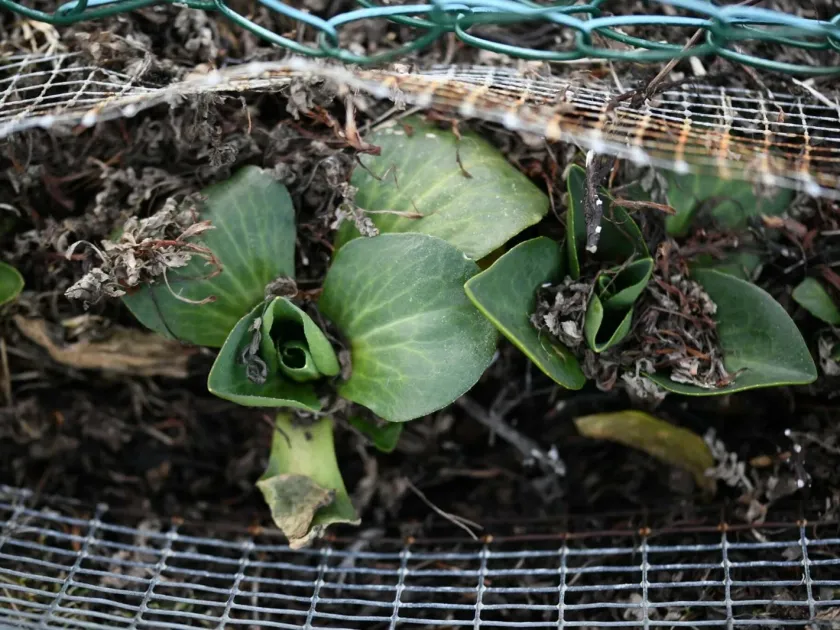
Description
Growing requirements
Kerguelen cabbage (Pringlea antiscorbutica) is a unique perennial plant belonging to the Brassicaceae family. It is endemic to the sub-Antarctic islands of the Indian Ocean, primarily found in the Kerguelen archipelago.
This plant is exceptionally adapted to extreme environmental conditions. It thrives in an environment characterized by persistent high winds, low temperatures, and high humidity, which would be lethal to most other leafy greens.
Cultivation of this species requires specific environmental parameters: cool, moist climates and well-drained, nutrient-rich soils. It does not tolerate high temperatures or arid conditions, making it difficult to propagate outside its native range.
Botanically, the plant features a deep taproot and a rosette of fleshy leaves. It does not produce a tight head like common garden cabbage but provides nutritious foliage that was historically essential for preventing scurvy in early explorers.
The plant's biochemical composition is unique, containing high levels of vitamin C, potassium, and specialized oils. It is considered a significant resource for research into cold-hardiness and plant adaptation in extreme latitudes.
Main diseases and pests
The primary threat to the natural population of Kerguelen cabbage has been the introduction of invasive species, particularly rabbits. These animals have decimated large areas where the plant once thrived as a dominant species.
Under controlled conditions, the plant is susceptible to common Brassicaceae pathogens, such as bacterial soft rot or clubroot. However, in its natural cool climate, these pathogens are rarely aggressive.
Insect pests, including aphids and cruciferous beetles, can pose a risk if the plant is grown in temperate greenhouse settings. In its native habitat, the lack of diverse insect populations keeps herbivory pressure low.
Soil quality degradation due to shifting penguin and seabird colonies can also impact the growth of the cabbage. The plant relies on the nitrogen-rich guano deposits to sustain its metabolic needs in poor volcanic soils.
Conservation efforts are currently focused on the eradication of invasive mammals and the protection of the plant's natural habitat to ensure the long-term survival of this botanical treasure.