
Primula vialii
Primula vialii Delavay ex Franch.
Description
Sowing dates
Sowing Primula vialii seeds requires a period of cold stratification to break dormancy. Seeds should be sown in late winter in containers and kept at temperatures around 4°C for several weeks before shifting to warmer conditions.
Use a fine, well-draining seed-starting mix. The seeds are very small and should not be deeply buried; pressing them gently into the moist soil surface is sufficient for successful germination.
Maintain consistent moisture levels during the germination phase, which usually takes two to four weeks. Using a clear plastic cover helps create a humid environment, but ensure regular ventilation to prevent damping-off disease.
Once seedlings have developed their first set of true leaves, they should be carefully pricked out into individual pots. Growing them in a cool, bright greenhouse or a shaded windowsill is ideal until they are ready for transplanting.
Transplant into the garden only after the danger of frost has passed. Ensure that the soil is moist and well-prepared with organic matter to help the young plants establish themselves during the growing season.
Growing requirements
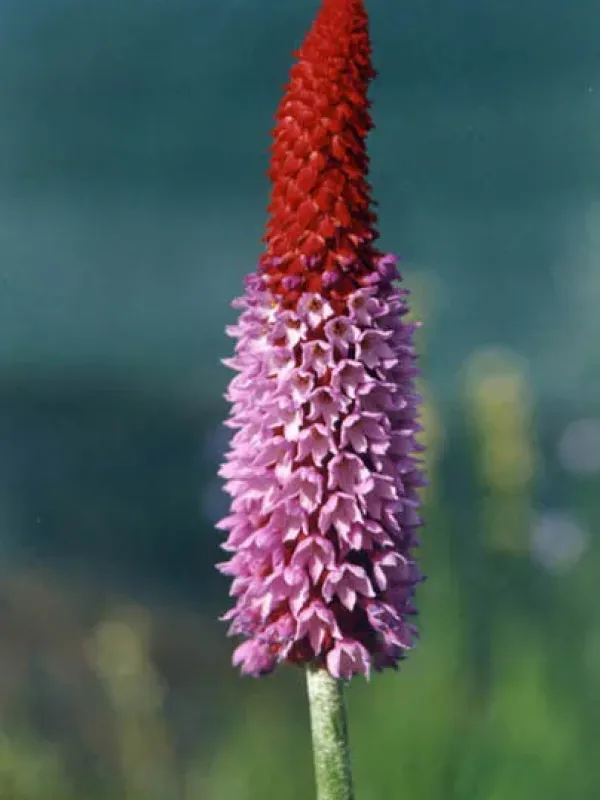
Primula vialii, a member of the Primulaceae family, is native to the meadows of Yunnan province in China. It is famous for its unique spikes of flowers that resemble an orchid, starting as red buds and opening to lavender-blue florets.
The species thrives in locations with partial shade and high humidity. It is essential to ensure the planting site is sheltered from direct, scorching afternoon sun, which can dehydrate the plant rapidly.
Soil requirements are strict: the plant needs rich, moist, but perfectly draining soil. If the soil is too heavy or waterlogged, the roots are prone to decay, especially during the winter dormancy period.
As this species is considered a short-lived perennial, gardening enthusiasts often treat it as a biennial or replant it every few years to maintain garden aesthetics. Providing organic mulch helps regulate soil temperature and moisture.
The plant grows as a basal rosette of leaves, with flower spikes reaching heights of up to 50 centimeters. It is a striking addition to bog gardens or the edges of water features, provided the drainage is adequate.
Main diseases and pests
Fungal diseases are the primary threat to Primula vialii, particularly Botrytis, which thrives in cool, damp conditions. Ensuring good air circulation around the plants is critical for disease management.
Root rot is a common issue caused by poor drainage or overwatering. If the roots become waterlogged for too long, the plant will decline rapidly; therefore, amending heavy soil with sand or grit is a necessary preventive measure.
Slugs and snails are the most frequent pests, as they are attracted to the succulent foliage of the primula. Applying non-toxic barriers or bait around the planting area can help mitigate damage during wet weather.
Aphids can also appear on the flower spikes during the peak growing season. Regular monitoring and washing off the insects with a gentle stream of water or using insecticidal soap can manage these outbreaks effectively.
Finally, keep the area free of decaying organic debris to minimize the habitat for pests and pathogens. Proper seasonal cleanup is the foundation of a healthy garden for this species.