
Primula spectabilis
Primula spectabilis
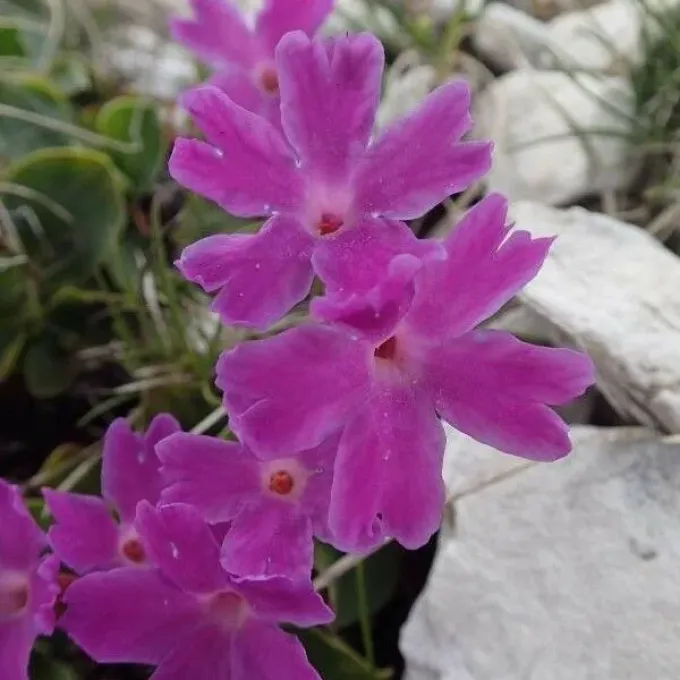
Description
Sowing dates
The propagation of Primula spectabilis is primarily performed through seeds sown in late winter. Seeds require a cold stratification period of several weeks to break dormancy and ensure uniform germination.
Use a well-draining, fine-textured sowing medium. Spread the seeds lightly on the surface, as they require light to germinate effectively, and mist them with water to maintain constant humidity.
During the germination phase, it is essential to keep the environment cool, preferably around 15°C. Once the seedlings develop two true leaves, they should be carefully pricked out into individual pots.
Acclimatization to outdoor conditions should be gradual. Avoid exposing young plants to intense direct sunlight or strong winds before they are fully established in their containers.
Transplanting into the permanent garden site is best done during the cooler spring months. Ensure proper spacing of at least 20 cm between plants to allow for healthy growth and airflow.
Growing requirements
Primula spectabilis, a member of the Primulaceae family, is a distinct perennial species native to the limestone mountains of the Eastern Alps. It thrives in high-altitude conditions.
The plant demands a gritty, alkaline, and nutrient-rich soil. Excellent drainage is non-negotiable; standing water around the crown will almost certainly prove fatal to the plant.
Positioning in the garden is crucial. This species performs best in semi-shaded areas, such as rock gardens with northern exposure, where it is shielded from the heat of the midday sun.
Regular watering is necessary, especially during the spring growth phase. However, the soil surface should be allowed to dry slightly between irrigation events to prevent root stress.
Applying a layer of stone chippings or gravel around the base of the plant is recommended. This practice maintains a cool root temperature and keeps foliage away from damp soil.
Main diseases and pests
Root rot is the most significant threat to Primula spectabilis. It is usually caused by excessive soil moisture and poor drainage in the container or garden bed.
Grey mold (Botrytis) can affect the foliage during periods of stagnant, humid air. Good hygiene, such as removing old leaves, is the most effective way to prevent its spread.
Slugs and snails are the primary pests that damage the succulent leaves of the primrose. Using physical barriers or copper tape around plants can effectively deter these invaders.
Spider mites may become an issue if the ambient air remains too dry for extended periods. Monitoring the underside of leaves for early signs of infestation is a recommended practice.
In cases of severe infestation or disease, prompt removal of affected material is necessary. Maintaining a clean and aerated garden environment significantly reduces overall susceptibility.