
Primula sessilis
Primula sessilis
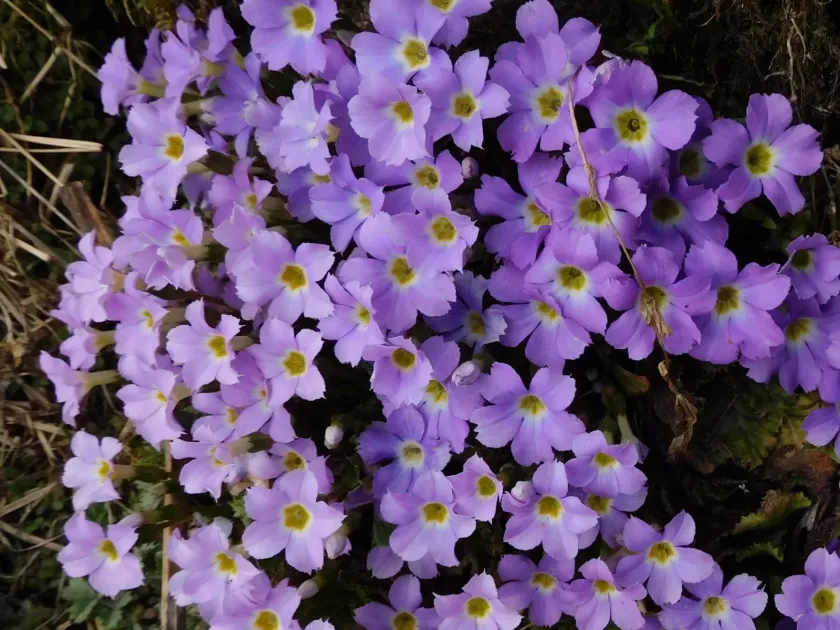
Description
Sowing dates
Seeds of Primula sessilis are usually sown in late autumn or early spring following a necessary period of stratification. The seeds possess a hard seed coat, and cold treatment is essential to break dormancy and ensure uniform germination.
When sowing in containers, a light and moisture-retentive substrate consisting of peat and sand is recommended. The seeds should not be deeply buried, as they require light to germinate; a light covering of vermiculite is sufficient.
Seedling pricking out is performed once two or three true leaves have developed. It is crucial to maintain stable soil moisture, ensuring the root zone does not dry out completely during this delicate growth phase.
Transplanting to the final garden location occurs once the danger of late spring frost has passed. To promote healthy root development, a spacing of 20–30 centimeters between plants should be maintained.
Propagation can also be achieved by dividing mature plants that are 3–4 years old. This operation is best carried out immediately after the flowering period to allow the plant time to establish itself before the arrival of summer heat.
Growing requirements
As a member of the Primulaceae family, this species thrives in partially shaded environments that provide protection from intense direct afternoon sunlight. Excessive UV radiation causes stunted growth and premature yellowing of the foliage.
The soil must be fertile, well-drained, and consistently moist. The ideal pH level for successful cultivation is between neutral and slightly acidic.
The plant is highly sensitive to moisture levels; while waterlogging is fatal to the root system, drought stress significantly reduces the plant's ornamental value. Regular mulching is recommended to stabilize soil moisture levels.
During the active growth season, regular application of balanced mineral fertilizers is necessary. Potassium is particularly beneficial during flower bud formation to enhance bloom color intensity.
The species exhibits strong cold hardiness, although in regions with little snow cover, light winter protection using evergreen boughs or dry mulch is advised to protect the crown from extreme temperature fluctuations.
Main diseases and pests
Common pests affecting this species include aphids, spider mites, and slugs. In high-humidity conditions, foliage is prone to damage by snails, which create large holes in the leaf blades.
Among fungal diseases, gray mold (Botrytis) is the most significant threat, occurring when air circulation is poor or irrigation is excessive. It appears as a fuzzy gray mass on leaves and stems.
Rust infections, characterized by orange spots on the undersides of the leaves, are also possible. Copper-based fungicides are effective for managing such outbreaks.
Root rot is a common issue resulting from inadequate soil drainage. Infected plants must be removed immediately along with the surrounding soil to prevent the spread of pathogens to neighboring specimens.
Preventive measures include maintaining proper spacing to avoid overcrowding and consistently clearing the site of plant debris, which significantly lowers the risk of pest and disease outbreaks.