
Primula secundiflora
Primula secundiflora
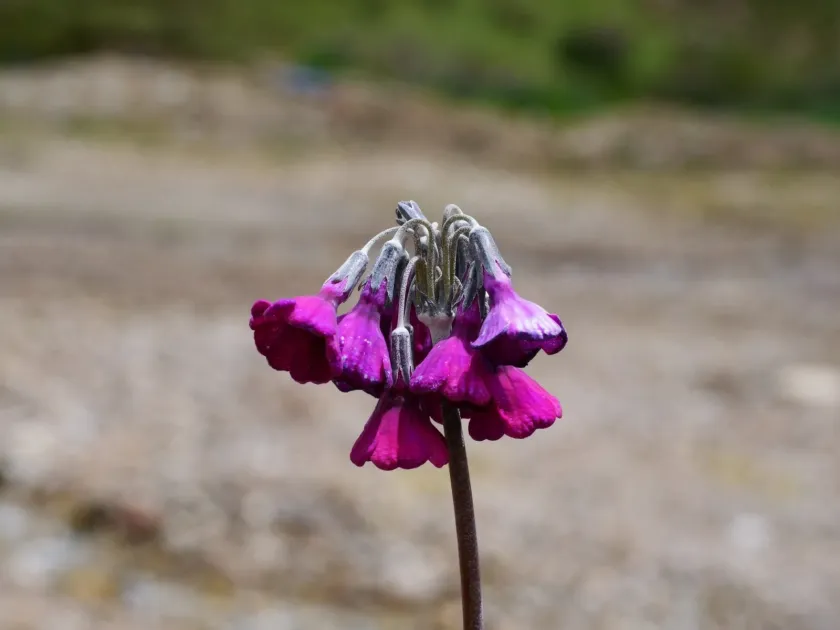
Description
Sowing dates
Sowing Primula secundiflora seeds is best performed in late winter or early spring using a cold stratification process. This exposure to low temperatures for several weeks is essential for breaking seed dormancy and achieving successful germination.
For sowing, use a well-draining, sterile soil mix rich in organic matter. Seeds should be sown on the surface and pressed lightly into the substrate, then covered with a thin layer of vermiculite to maintain high humidity around the seeds.
Consistent cool temperatures are vital for germination, ideally between 12 and 15 degrees Celsius. Avoid placing the trays in direct sunlight or warm areas, as high temperatures can prevent the seeds from sprouting altogether.
Seedlings should be pricked out when the first true leaves appear. Growth is relatively slow, so handle young plants with care during the transplanting process into individual pots to avoid damaging the developing root system.
Transfer the plants to their permanent outdoor location only after the danger of frost has passed. Choose a sheltered spot that receives partial shade to protect the plants from harsh afternoon sun and wind.
Growing requirements
Primula secundiflora, a member of the Primulaceae family, originates from high-altitude meadows. It thrives in cool, moist, and well-drained soil, making it a perfect candidate for rock gardens or shaded borders with consistent moisture.
The soil should be fertile and slightly acidic or neutral. Incorporating compost or well-rotted leaf mold will improve soil structure and water retention, providing a healthy environment for the plants to establish their roots.
Maintenance during the summer is critical, as the plant dislikes drought. Regular watering and the application of mulch around the base of the plant help keep the root zone cool and retain the necessary moisture levels.
Fertilizer application should be light and balanced. Avoid high-nitrogen fertilizers that encourage excessive leaf production at the expense of floral development, as this can weaken the plant and make it susceptible to stress.
In regions with harsh winters, providing winter protection is recommended. A light cover of straw or spruce branches helps insulate the crown of the plant against freezing temperatures and sudden fluctuations during early spring.
Main diseases and pests
Root rot is the most significant threat to Primula secundiflora, typically caused by waterlogged soil. Ensuring excellent drainage is the most effective way to prevent this issue and maintain plant vigor throughout the season.
Slugs and snails can cause considerable damage, especially to young leaves and fresh flower spikes. Utilize physical barriers like crushed shells or specific organic pest control methods to protect your garden from these common mollusks.
Spider mites may become a problem during hot, dry spells. Keeping the humidity high around the plants and regular inspection of the leaf underside can help detect early signs of infestation and prevent further damage.
Powdery mildew can appear if there is poor airflow around the foliage. Proper spacing between plants is essential to promote circulation and minimize the conditions that favor fungal growth in the garden environment.
Maintaining a clean garden area and disinfecting tools regularly are basic yet crucial practices to avoid the transmission of potential viral or bacterial pathogens between healthy specimens in the planting bed.